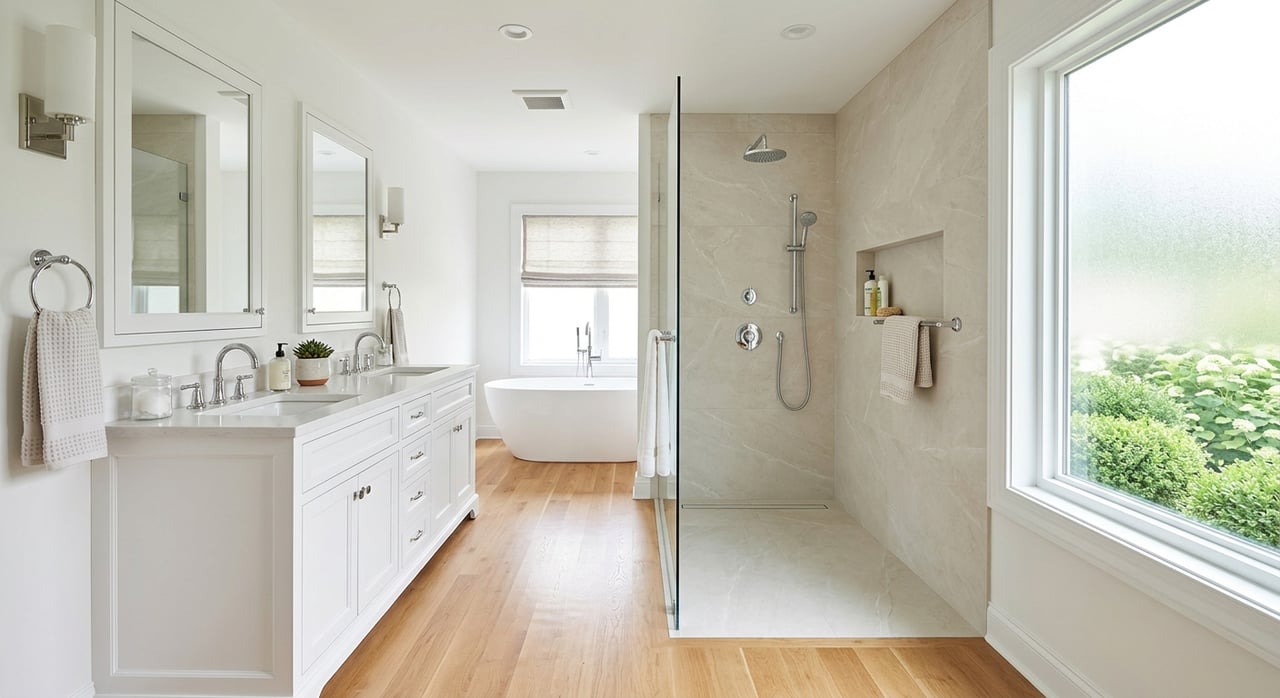
Downsizing in Warwick RI: Your 55+ Housing Guide
May 7, 2026
May 7, 2026
Thinking about downsizing in Warwick can feel exciting and overwhelming at the same time. You may be ready for less upkeep, easier living, or a home that fits your next chapter better, but figuring out when to sell, where to move, and what options make sense is not always simple. The good news is that with the right plan, you can make a move that supports your lifestyle, your budget, and your comfort. Let’s dive in.
Warwick has a large base of older adult homeowners, which makes downsizing a very real conversation for many local households. Census estimates show that 21.6% of Warwick residents are 65 or older, and 73.3% of housing units are owner-occupied. The median value of owner-occupied homes is $354,600, which means many homeowners may have built meaningful equity over time.
That equity can create options. If you have owned your home for years, downsizing may free up cash, reduce monthly expenses, or simplify your day-to-day life. For some homeowners, it is also about trading stairs, yard work, and ongoing maintenance for a layout that feels easier and safer.
If you are selling in Warwick, current market conditions may work in your favor. Redfin reported that in March 2026, Warwick homes sold for a median of $451,500, with about 30 days on market and an average of four offers. That suggests sellers may still have leverage in the current environment.
At the same time, buying your next home may take planning. Rhode Island REALTORS® reported that statewide inventory remained under a two-month supply, which points to a tight market. For downsizers, that means it is smart to treat your sale and your next purchase as connected decisions, not separate ones.
A fast sale is great, but it can create pressure if you have not identified your next housing option. In a low-inventory market, waiting until after your home closes to start searching can limit your choices. A better approach is to understand your likely sale price, your budget, and your target housing type before you list.
Start with a realistic look at your home’s current market value. Then subtract your remaining mortgage balance and expected selling costs to get a clearer picture of what you may have available for your next move. This can help you decide whether a condo, single-level house, or 55+ community is the right fit financially.
Not every downsizing move looks the same. In Warwick, it helps to think about your options in four broad categories, because each one comes with different costs, timing, and lifestyle tradeoffs.
A smaller ranch or other single-level layout can be a strong fit if you want to keep ownership without the footprint of a larger house. This option may offer more privacy and flexibility than other housing types. It can also support aging in place more easily than a home with multiple levels.
HUD guidance recommends features like a main-floor bedroom and bathroom, a no-step entrance, wider doorways, lever-style handles, non-slip flooring, sturdy handrails, grab bars, and bright non-glare lighting. If these features matter to you now or may matter later, a single-level home can be worth prioritizing.
A condo can be appealing if you want less exterior work and fewer routine chores. Some communities handle lawn care and snow removal, which can reduce physical demands and free up time. Statewide, Rhode Island’s 2025 median condo sale price was $390,000, which offers a useful benchmark as you compare costs.
That said, a condo is not automatically simpler in every way. You will want to review monthly association costs, rules, parking, storage, and what maintenance is covered. A lower-maintenance lifestyle can be a major plus, but the details matter.
A 55+ community may be worth exploring if you want age-restricted housing with a specific lifestyle or layout. Warwick-area examples mentioned in the research include Tollgate Village for Senior Citizens and Villages at Westminster Place. These communities are materially different from standard condos or single-family homes, so it is important to compare ownership structure, monthly costs, and what services or maintenance are included.
This path can work well if you want a setting designed for older adults while still maintaining independence. The right fit depends on your budget, preferred layout, and whether community rules align with your goals.
If affordability or support services are the top priority, senior or subsidized housing may be the better path. Warwick’s 2026 draft action plan says the Warwick Housing Authority manages six elderly and disabled developments totaling 481 units. The same plan notes that occupancy is close to 100% and waiting periods have ranged from 12 to 28 months.
That timeline makes early planning especially important. If this option may be part of your decision, it makes sense to start the application process well before you need to move.
The best downsizing choice depends on how you want to live, not just how much space you want to lose. Some homeowners care most about reducing maintenance. Others want one-floor living, lower monthly costs, or access to transportation and community resources.
A helpful way to compare options is to ask yourself a few practical questions:
If you plan to stay in your current home for a while longer, or if you are comparing the cost of moving versus staying, local tax programs are worth reviewing. Warwick’s available exemption list includes a senior real estate exemption of $415.20 for homeowners who are 65 by December 31 of the prior year.
The same list says the circuit breaker exemption ranges from $600 to $1,000 for eligible homeowners age 65 and older or those who are 100% disabled. Warwick also offers a tax freeze program for certain households age 70 and older or 100% disabled households that meet residency and income rules. Real-estate exemptions apply only to a primary residence, and residency is required.
These programs may not remove the need to downsize, but they can affect your timing and budget. If you are deciding whether to move now or later, they are part of the financial picture.
Downsizing usually starts before your home ever hits the market. The goal is to make your current home easier to manage now and easier to sell when the time comes. That often means decluttering, tackling deferred maintenance, and thinking carefully about which updates are actually worth doing.
HUD notes that home modifications can improve comfort and convenience and help prevent future falls and disability. Some changes are simple, low-cost projects, while others may require professional help.
If you are staying put for now, or preparing your home for sale while living there, these updates can improve function and safety:
These types of improvements can make daily life easier while also helping your home show as well cared for.
For major accessibility remodeling or structural changes, check local requirements before work begins. Warwick’s Building Department handles building inspections, property maintenance and minimum-housing matters, zoning, and online permitting. Verifying permit needs upfront can help you avoid delays or issues later.
Sometimes downsizing is the right answer. Other times, the better move is staying in your current home with the right support. Warwick has several local resources that can help you evaluate that choice.
Warwick Senior Services says the Pilgrim Senior Center offers meals, health seminars, socialization, exercise programs, reliable transportation, and other activities. Residents age 55 and older or disabled residents are encouraged to join.
Transwick serves otherwise homebound Warwick residents age 55 and older who live independently, along with adults with disabilities living independently. It provides gap transportation to senior-center-related destinations as available. For homeowners trying to stay independent longer, transportation support can be a major factor.
The Rhode Island Office of Healthy Aging’s Point/ADRC also provides free, confidential help with housing options and applications for public and private programs. Its At HOME cost-share program helps adults 65 and older with home and community-based services, and OHA home-care services include in-home supports, adult day programming, and assisted living services.
A successful downsizing move usually comes down to sequencing. When you know your likely sale value, understand your replacement options, and start early on logistics, you give yourself more control.
A simple planning framework can help:
This kind of planning can reduce stress and help you avoid rushed decisions in a competitive market.
Downsizing is not just about moving to a smaller space. It is about creating a home setup that better supports your life now and in the years ahead. If you want patient, local guidance as you compare your Warwick options, connect with Renee Moussally for a personalized market snapshot and a thoughtful plan for your next move.
Stay up to date on the latest real estate trends.

Discover what it’s like living in Portsmouth, RI, from coastal scenery and open space to family-friendly neighborhoods, local amenities, and easy access to Newport and… Read more
Discover Rhode Island school districts families often consider when choosing where to live, from academic performance and school programs to community life, neighborho… Read more

Discover what it’s like living in Middletown, RI, from beautiful beaches and open spaces to everyday conveniences, local neighborhoods, and easy access to everything N… Read more

Discover Rhode Island’s best family-friendly pumpkin patches, from classic farm visits and hayrides to corn mazes, farm animals, fall treats, and plenty of autumn phot… Read more

Planning a move to Rhode Island? Use this practical checklist to organize your home search, utilities, paperwork, neighborhood research, and move-in essentials before … Read more
What buyers should know about airport proximity before choosing a Warwick home

Discover the best places for apple picking in Rhode Island, from family-friendly orchards and scenic farm stands to classic fall activities, fresh cider, and local tre… Read more

Discover what it’s like living in South Kingstown, RI, from charming villages and beautiful beaches to housing options, local amenities, and what homebuyers should kno… Read more
Renee can offer real-world insight and advice based on years of local market experience, Work with Renee Today!