Smart Strategies for Providence RI Multifamily Investment
April 16, 2026
April 16, 2026
If you have been thinking about buying a Providence multi-family property, you are not alone. For many buyers, a two-, three-, or four-unit building can offer a path to live in one unit, collect rent from the others, or build long-term wealth in a market with deep housing demand. The key is knowing that Providence is a small-building market where old housing stock, taxes, and compliance details can shape your numbers just as much as the purchase price. In this guide, you will learn what makes Providence multi-family investing unique, what to watch for, and how to evaluate opportunities with more confidence. Let’s dive in.
Providence has a housing stock that is much older than many buyers expect. According to the city’s 2024 Comprehensive Plan, almost 90% of the housing stock is more than 50 years old, and earlier city housing strategy materials say 56% was built before 1940. That matters because age often brings bigger maintenance, lead compliance, and renovation questions.
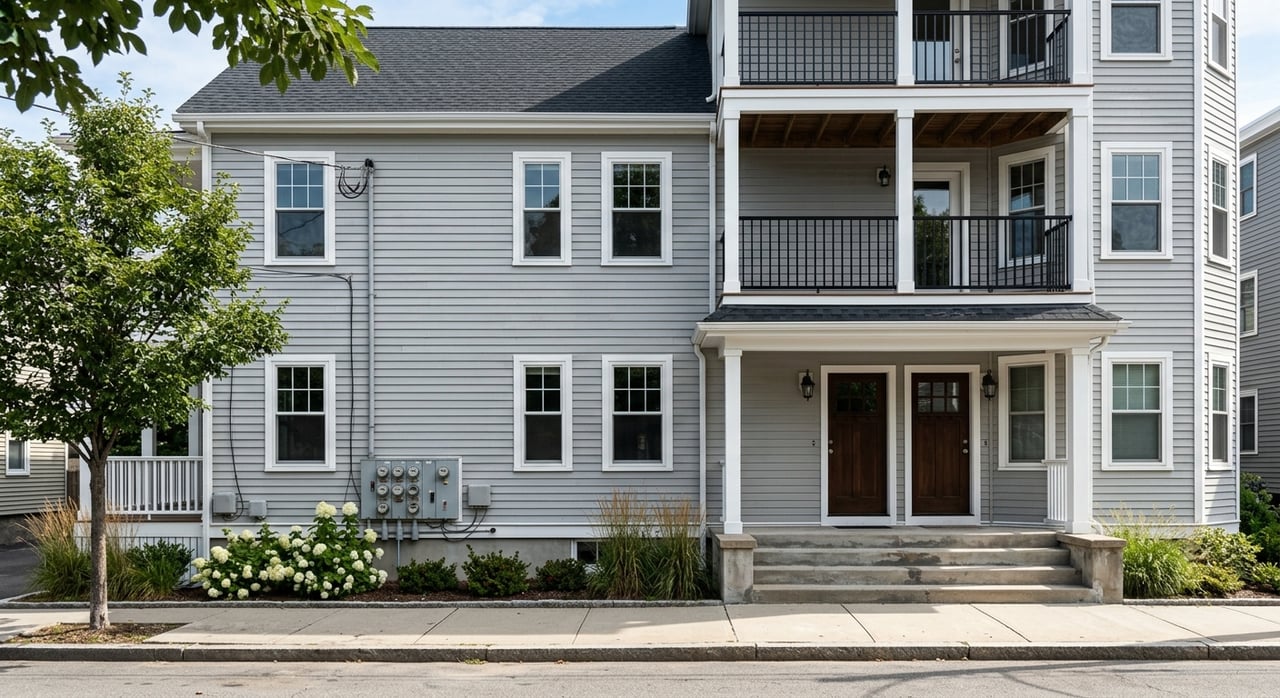
Providence is also especially relevant for small multi-family investors because more than half of the city’s rental units are in two- and three-family houses, according to the same city planning materials. In practical terms, that means 2–4 unit properties are not a niche here. They are a major part of how the city’s rental housing works.
Before you evaluate any deal, it helps to understand the market at a high level. Rent benchmarks in Providence vary by source and property type, but they generally cluster in the low-$2,000s. Zillow’s Providence rent data placed average asking rent at $2,187 in February 2026, while Zumper reported a March 2026 median of $2,100 across all bedroom counts and property types.
Some sources show higher averages because they lean more heavily on larger apartment buildings. RentCafe, for example, reported a city average of $2,520 and a two-bedroom average of $2,807. For small-building investors, the safest approach is to use neighborhood-specific rent comps for similar unit sizes and condition rather than relying only on citywide averages.
On the sales side, Rhode Island Realtors Q1 2025 multifamily statistics show a Providence County multifamily median price of $570,000 across 240 sales, up 11.76% year over year. That is a county benchmark rather than a city-only figure, but it gives you a useful frame of reference for small multifamily pricing in the area.
At first glance, Providence can look appealing from a yield perspective. CityFeet Providence multifamily listings currently show examples with cap rates ranging from 6.0% to 7.84%, with an average asking cap rate of 6.75%.
Still, cap rates alone do not tell the full story. A 2025 City of Providence feasibility analysis modeled multifamily cap rates at 8.57% and noted that comparable New England markets often trade around 5.5% to 7.5%. The bigger takeaway is simple: Providence may look strong on gross yield, but taxes, repairs, and operating risk can narrow your actual return faster than many first-time investors expect.
One of the biggest local underwriting factors is the tax difference between owner-occupied and non-owner-occupied small multifamily properties. Under Providence’s FY26 budget, owner-occupied 2–5 unit homes are taxed at $7.55 per $1,000 of assessed value, while non-owner-occupied 2–5 unit homes are taxed at $14.00 per $1,000.
That gap can make a major difference for house hackers. If you plan to live in one unit, your monthly carrying costs may look very different than they would for an investor who is fully non-owner-occupied. For some buyers, this tax treatment can matter as much as a modest rent increase.
Providence has several neighborhoods where the housing stock often fits small multi-family searches. The important thing is to evaluate each property on its own merits while also understanding the broader housing pattern in the area.
The city describes the West End neighborhood as largely residential, with converted former single-family dwellings on major streets and two- and three-family houses on side streets. That makes it one of the clearer examples of Providence’s classic small-building pattern.
According to the city’s Olneyville and Valley neighborhood plan, Olneyville has a dense mix of primarily two-, three-, and four-family houses, along with scattered single-family homes and larger apartment complexes. For buyers seeking a true small-multifamily environment, this is one of the city’s most direct examples.
The same city neighborhood planning materials say the majority of residences in Valley are two- and three-family houses. In Silver Lake, one typology area includes a mix of single- and multi-family homes, while another is mostly single-family. That means block-by-block variation matters, especially when comparing rents, condition, and long-term maintenance expectations.
The city’s Upper South Providence and Lower South Providence plan describes Upper South Providence as a mix of single-, two-, and three-family houses and multifamily structures of up to seven units, with many homes built in the late 19th and early 20th centuries. Lower South Providence is described as predominantly single-, two-, and three-family houses. In both areas, older housing stock means due diligence is especially important.
Financing options for a 2–4 unit property can look very different depending on whether you plan to live there. For owner-occupants, FHA is often the most familiar entry point.
HUD’s FHA handbook states that FHA single-family programs are limited to one- to four-family properties that are owner-occupied principal residences. At least one borrower must occupy the home within 60 days and intend to stay for at least one year. The Consumer Financial Protection Bureau also notes that FHA loans can go as low as 3.5% down.
For buyers who want to live in one unit and rent the others, FHA can be a practical way to lower the cash needed upfront. That said, the property still has to meet lender and appraisal standards, which can be a hurdle in older buildings with deferred maintenance.
Conventional loans can also work well for 2–4 unit properties, especially if you have stronger credit or more cash available. Fannie Mae’s rental income guidance says eligible rents on the subject property must be reported for all two- to four-unit properties, and rental income from units you do not occupy can be used for qualifying. Rental income from the unit you occupy generally cannot be used.
The CFPB notes that conventional loans can be less expensive than FHA for borrowers with higher credit scores and larger down payments. In short, FHA may offer the lower-cash entry point, while conventional may be more attractive once your financial profile is stronger. It is smart to compare multiple lender quotes before deciding.
In Providence, small multi-family investing is rarely just about rent minus mortgage. The city’s older housing stock means your underwriting should account for issues that might be less important in a newer market.
A conservative analysis should include:
This matters because older buildings often come with uneven renovation quality, aging systems, and hidden issues behind walls or under finishes. If your numbers only work on a best-case scenario, the deal may not be strong enough.
Compliance is a major part of buying Providence multi-family property. This is especially true for older rental housing.
The Rhode Island Department of Health says all landlords must register rental properties with the statewide RI Rental Registry, new owners must register within 30 days of acquisition or leasing, and annual re-registration is due by October 1. The same guidance notes that pre-1978 rental properties need valid lead certificates, including owner-occupied buildings with rental units.
Because so much of Providence housing predates 1978, this is not a minor checklist item. You should confirm lead status and registry compliance before closing, not after.
Rhode Island’s Landlord and Tenant Handbook says a landlord may require a security deposit of up to one month’s rent and must return the deposit or balance within 20 days after move-out with an itemized list of allowed deductions. The handbook also explains that landlords cannot disguise extra move-in charges as another kind of deposit, such as a pet deposit.
State law effective January 1, 2024 also restricts rental application fees. Under the statute, landlords, brokers, and property managers may not require a rental application fee, though they may require an official state background check or credit report subject to the law’s limits.
The handbook also makes clear that self-help recovery of possession is prohibited. If you become a landlord, you need to plan for legal notices, cure periods where applicable, and court timelines. In other words, you should not assume a problem tenancy can be resolved quickly or informally.
If your investment plan depends on exterior improvements, make sure you check whether the property is in one of Providence’s local historic districts. The city says exterior work in those districts can require Historic District Commission approval before construction begins.
For a buyer considering a value-add project, that means design review and permit timing should be part of your due diligence before you make an offer or finalize your renovation budget.
In a market like Providence, speed matters, but discipline matters more. The strongest buyers usually slow down enough to verify the details that can reshape returns after closing.
A practical checklist includes:
That kind of careful review can help you avoid overestimating cash flow or underestimating future costs.
Providence can offer real opportunity for buyers who understand the market’s small-building character. Two- to four-unit properties are a meaningful part of the city’s housing stock, and that creates options for house hackers, long-term investors, and buyers looking for flexible living arrangements.
At the same time, this is a market where old housing, tax classification, lead compliance, and realistic operating costs can make or break a deal. If you want local guidance on evaluating Providence multi-family properties, connect with Renee Moussally for informed support tailored to your goals.
Stay up to date on the latest real estate trends.

Discover some of the best bakeries in Providence, Rhode Island, from flaky croissants and European-style pastries to fresh artisan loaves and traditional Italian and P… Read more

Discover Rhode Island’s haunted tours and Halloween attractions for 2026, from lantern-lit ghost walks and eerie river cruises to haunted trails, historic legends, and… Read more
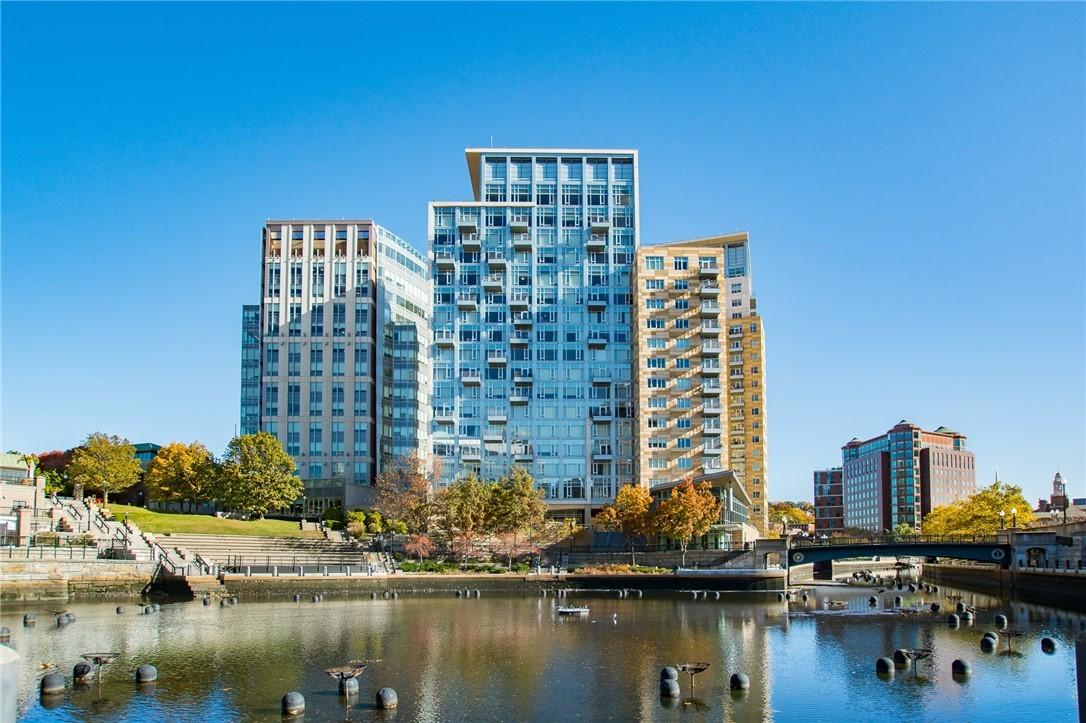
Discover what first-time buyers need to know about buying a condo in Rhode Island, from monthly association fees and financing to condo rules, inspections, insurance, … Read more

Discover the best indoor activities in Rhode Island for rainy days, from fascinating museums and interactive exhibits to family-friendly attractions, escape rooms, and… Read more

Discover the best pumpkin festivals and fall events in Rhode Island this October, featuring pumpkin decorating, glowing jack-o'-lantern displays, family activities, fa… Read more

Discover some of the best scenic drives in Rhode Island this fall, from winding country roads and colorful forests to coastal routes, historic towns, and beautiful New… Read more
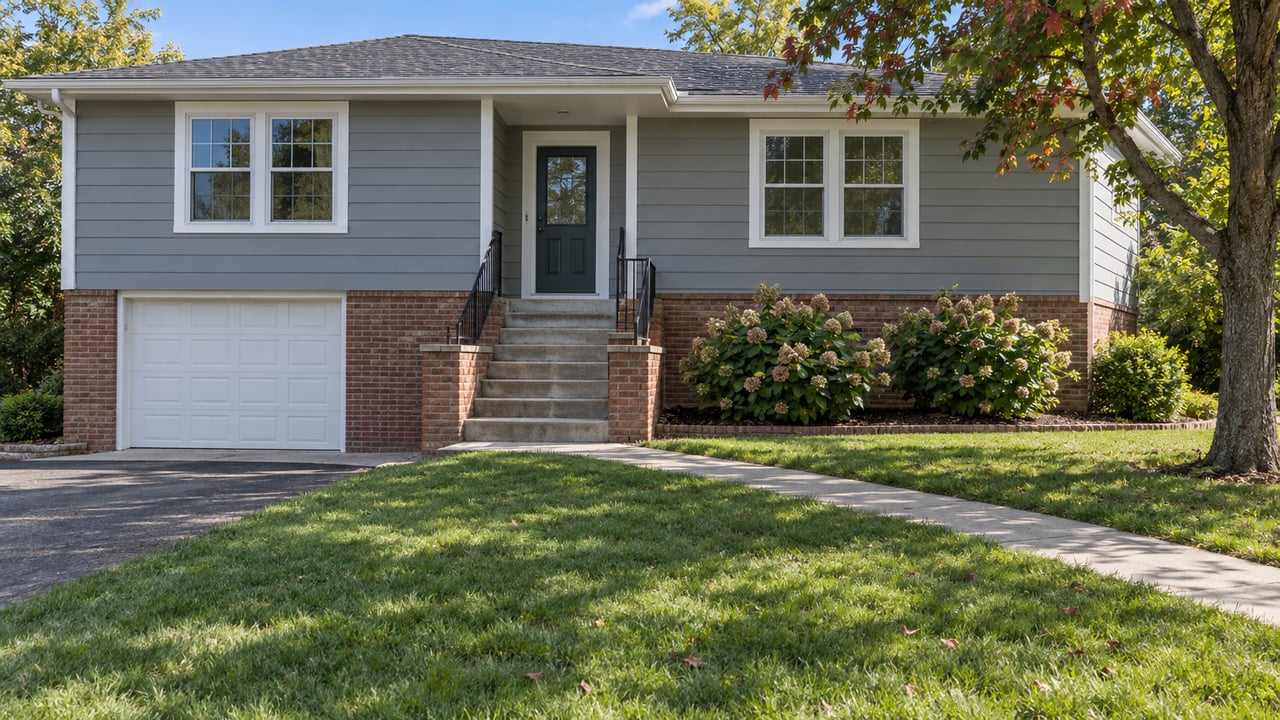
Discover what’s driving buyer demand in East Greenwich as homes spend less time on the market despite a recent shift in median sale prices.

Discover 10 reasons people love calling Rhode Island home, from coastal living and charming communities to outdoor recreation, local culture, and easy access to everyt… Read more
Renee can offer real-world insight and advice based on years of local market experience, Work with Renee Today!