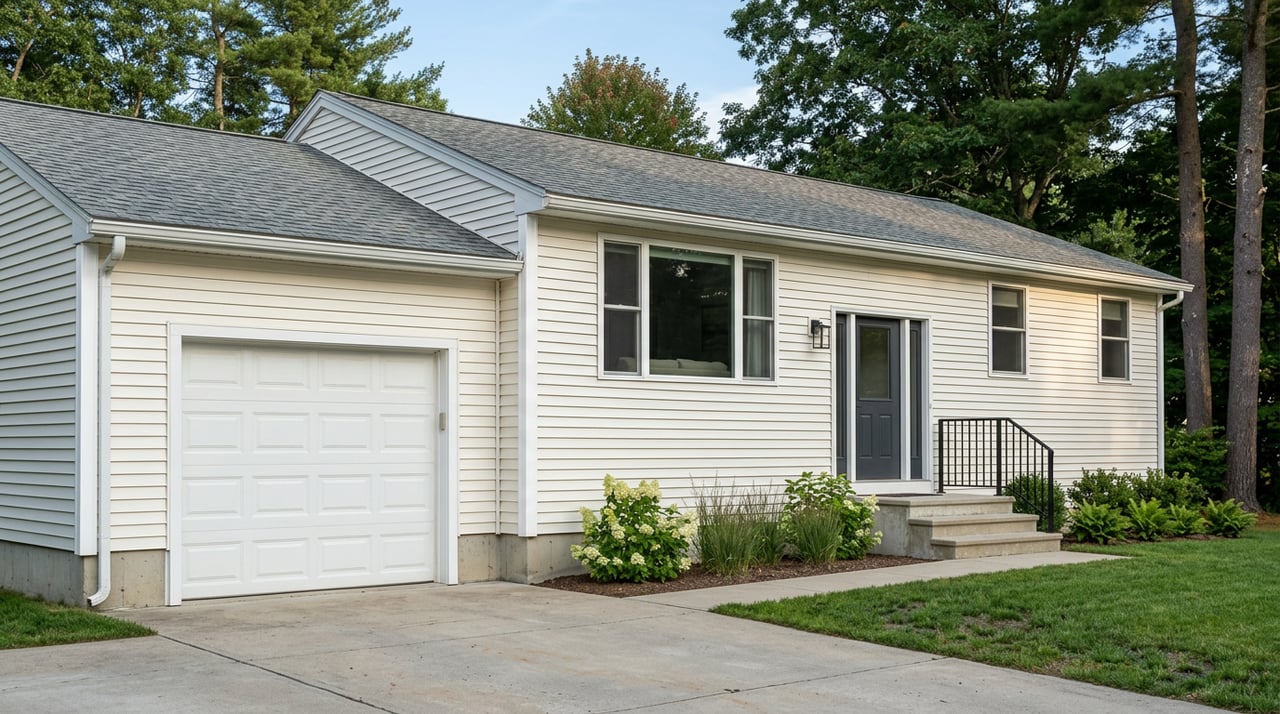
Buying Land in Coventry RI: A Practical Build Guide
March 24, 2026
March 24, 2026
Thinking about buying land and building your own home in Coventry? You are not alone. Coventry blends rural acreage with village areas, so you can find everything from larger wooded parcels to smaller in-town lots. The path to a successful build looks different than a typical resale purchase. In this guide, you will learn the Coventry-specific zoning basics, septic and water considerations, permits and timelines, financing options, and a practical checklist to move from idea to keys. Let’s dive in.
Coventry’s residential zoning districts guide what you can build and how large a lot must be. Single-family homes are a permitted use in the primary residential districts, as shown in Coventry’s Schedule of Uses (Table 6‑1).
Public water is generally available in R20 areas, and public sewers are planned there. Outside those areas, assume private well and on-site septic unless you confirm otherwise in the zoning code.
Smaller, buildable single-family lots are most common in R20 and near village or center corridors where public infrastructure supports higher density. Rural zones like RR2, RR3, and RR5 dominate outside those cores and usually need private well and on-site septic.
Setbacks and frontage in the RR districts are large, which can make smaller or oddly shaped parcels hard to build on without relief. For example, RR5 dimensional guidance shows large front, side, and rear setbacks and low maximum lot coverage. See an RR5 dimensional example from a recent planning report for context.
If you are evaluating a larger parcel for multiple homes, Coventry’s Subdivision and Land Development Regulations allow cluster layouts that reduce individual lot footprints while keeping overall density the same. This can be a useful path to create buildable lots in rural areas. Review the Subdivision and Land Development Regulations and confirm whether prior approvals limit further division.
Building success starts with what is under your feet. Budget time and money for early site checks so you do not get surprised later.
Most new homes here need an Onsite Wastewater Treatment System permit through the Rhode Island Department of Environmental Management. RIDEM oversees soil and site evaluation, system design, and construction approval. If a property has a cesspool and it transfers in a sale, state law requires replacement within one year of closing. Plan a cost range of roughly $10,000–$18,000 for a conventional system or $23,000–$32,000 or higher for advanced systems, depending on site limits. Learn more from RIDEM’s Onsite Wastewater program.
Public water is generally available in R20. In rural zones, expect private wells unless you confirm a nearby main and service connection. Ask the Town and the water supplier about connection distance, fees, and capacity before you commit.
Do not rely on an MLS description alone. Order test pits and a soil evaluation with a licensed OWTS professional to confirm feasibility for septic and drainage. Shallow bedrock and ledge in parts of Rhode Island can raise foundation and septic costs, which is why on-site testing is essential. RIDEM guidance emphasizes field evaluation over mapping.
Wetlands setbacks and flood zones can remove portions of a lot from the buildable area. Check state freshwater-wetlands jurisdiction and use the FEMA Flood Map Service Center to screen flood zones that may affect insurance and design. Start with FEMA’s flood map products page and discuss results with your designer.
Driveway siting, sight lines, and stormwater matter. Confirm if your access requires a Town curb-cut approval or a RIDOT permit for state roads. Coventry requires pre-application and site plan review for many projects, which helps flag access and drainage needs. See the Town’s site plan and pre-application requirements for process details.
Buying land and building adds several steps that resale buyers rarely see. A typical sequence looks like this:
A resale closing often takes 30 to 60 days after mortgage approval. A land and build project typically runs 9 to 18 months from land closing through site work and construction, depending on permits and complexity. See Bankrate’s overview of buying undeveloped land for general timing context, then confirm specifics with your builder and Coventry officials.
Financing raw land and new construction is different from a standard mortgage.
Use this simple list to protect your budget and timeline.
If you want the space of western Kent County or the convenience of a village lot, a clear plan will get you to the finish line. I can help you evaluate lots, coordinate due diligence, and connect you with local pros so your build stays on track. To start a focused search or get a quick market snapshot for Coventry, reach out to Renee Moussally.
Stay up to date on the latest real estate trends.

Discover some of the best bakeries in Providence, Rhode Island, from flaky croissants and European-style pastries to fresh artisan loaves and traditional Italian and P… Read more

Discover Rhode Island’s haunted tours and Halloween attractions for 2026, from lantern-lit ghost walks and eerie river cruises to haunted trails, historic legends, and… Read more
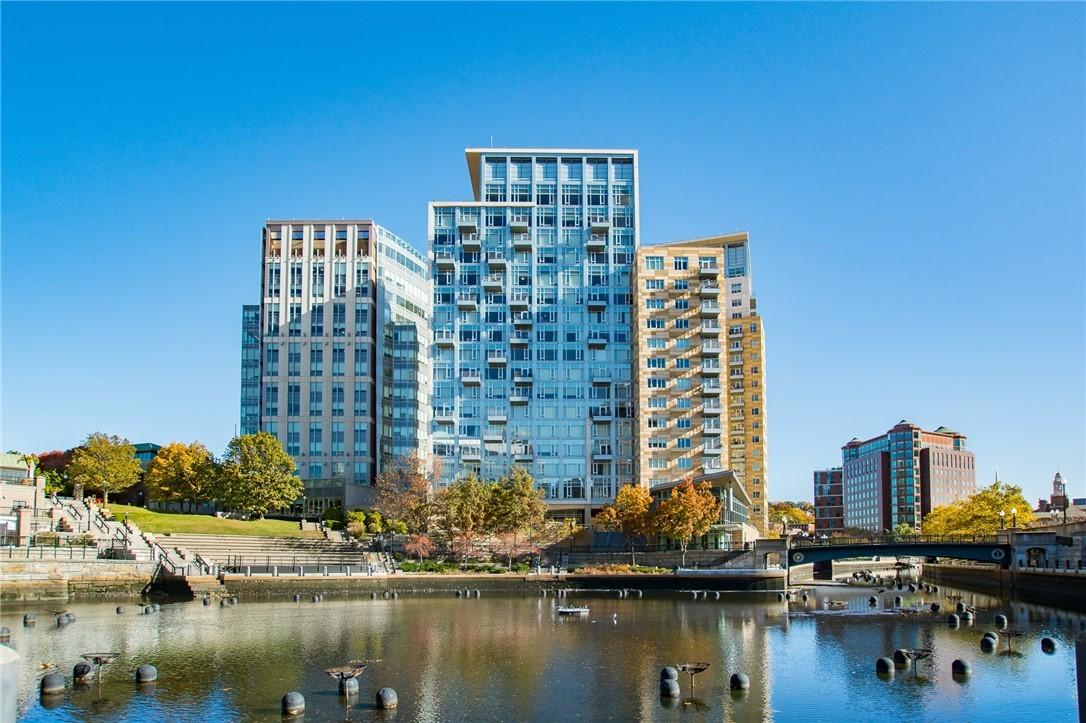
Discover what first-time buyers need to know about buying a condo in Rhode Island, from monthly association fees and financing to condo rules, inspections, insurance, … Read more

Discover the best indoor activities in Rhode Island for rainy days, from fascinating museums and interactive exhibits to family-friendly attractions, escape rooms, and… Read more

Discover the best pumpkin festivals and fall events in Rhode Island this October, featuring pumpkin decorating, glowing jack-o'-lantern displays, family activities, fa… Read more

Discover some of the best scenic drives in Rhode Island this fall, from winding country roads and colorful forests to coastal routes, historic towns, and beautiful New… Read more
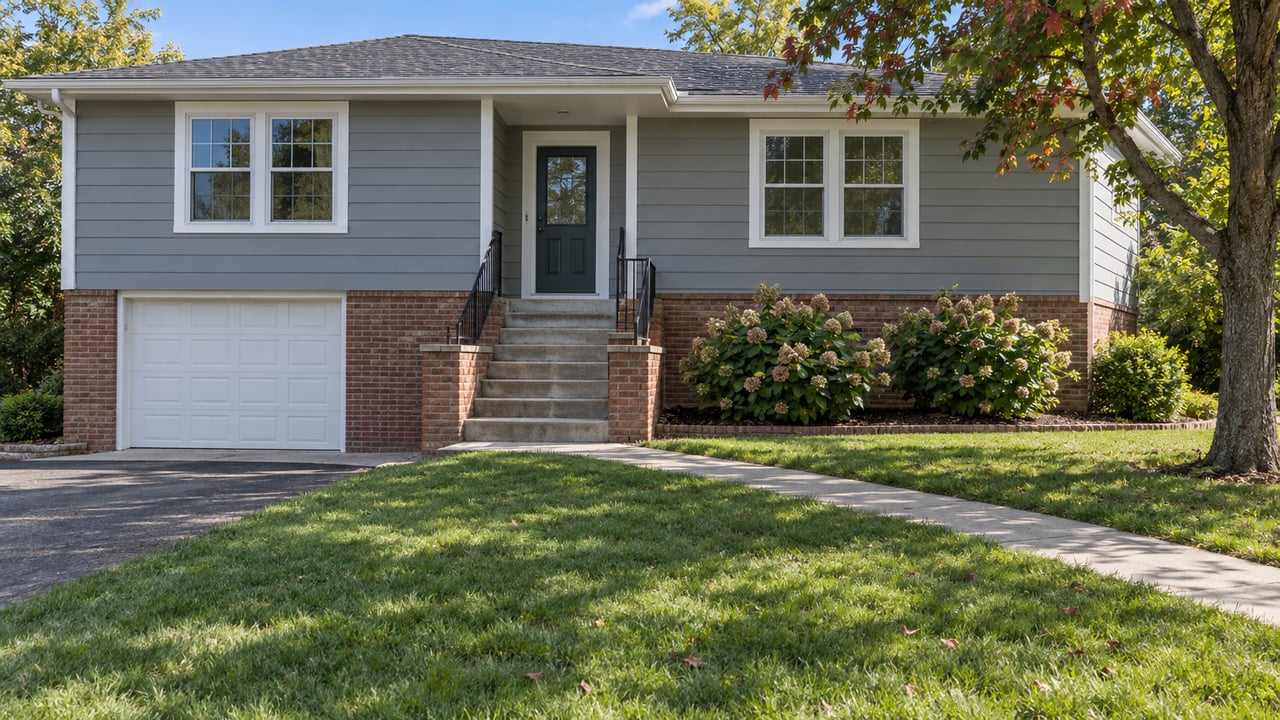
Discover what’s driving buyer demand in East Greenwich as homes spend less time on the market despite a recent shift in median sale prices.
Discover 10 reasons people love calling Rhode Island home, from coastal living and charming communities to outdoor recreation, local culture, and easy access to everyt… Read more
Renee can offer real-world insight and advice based on years of local market experience, Work with Renee Today!