Newport RI Year-Round Living or Seasonal Home?
February 19, 2026
February 19, 2026
Is Newport your summer escape or your all-year address? If you are weighing a seasonal place against putting down roots, it helps to see how life actually shifts from July to January. Newport has a small-city feel for most of the year, then turns into a lively waterfront destination in peak season. In this guide, you will learn how the seasonal rhythm affects housing, parking, schools, health care, short-term rental rules, and day-to-day costs so you can choose what fits you best. Let’s dive in.
Newport is a compact coastal city with a stable, year-round core. The population was about 25,163 at the 2020 Census, with an estimated 24,482 residents in 2024, which signals a small, close-knit scale that many people value for everyday life. You can explore the latest figures on the Census QuickFacts page for Newport. See current population data.
You get consistent access to municipal services, libraries, and programs through the winter, and the city stays active thanks to major year-round employers like the Navy and the U.S. Naval War College. That employment base supports shops and services even after the summer visitors leave. Learn more about the local Navy presence and schools connected to Naval Station Newport on the installation’s info page. View Naval Station Newport information.
Health care is a key part of the equation if you live here full time. Newport Hospital provides a full-service community hospital and emergency department that serves Newport County year round. Explore Newport Hospital services.
Bottom line: if you want predictability in schools, medical care, and routines, Newport supports a full-time lifestyle with a steady backbone of services and employment.
If your schedule is anchored to summer, a seasonal condo or cottage can be a great fit. You can lock in beach days, regattas, and historic house tours, then rent your place when you are away. Visitor activity concentrates in late spring through early fall, which means restaurants, marinas, and events are in full swing. For visitor resources and seasonal programming, start with Discover Newport. Browse visitor resources.
There are tradeoffs. You get maximum access to summer amenities, yet you also take on second-home responsibilities, like cleanings, winterizing plumbing and heat, and keeping an eye on humidity and coastal weather. If you plan to offer short-term rentals, expect to meet city and state registration requirements plus parking and fire-safety rules. More on that below.
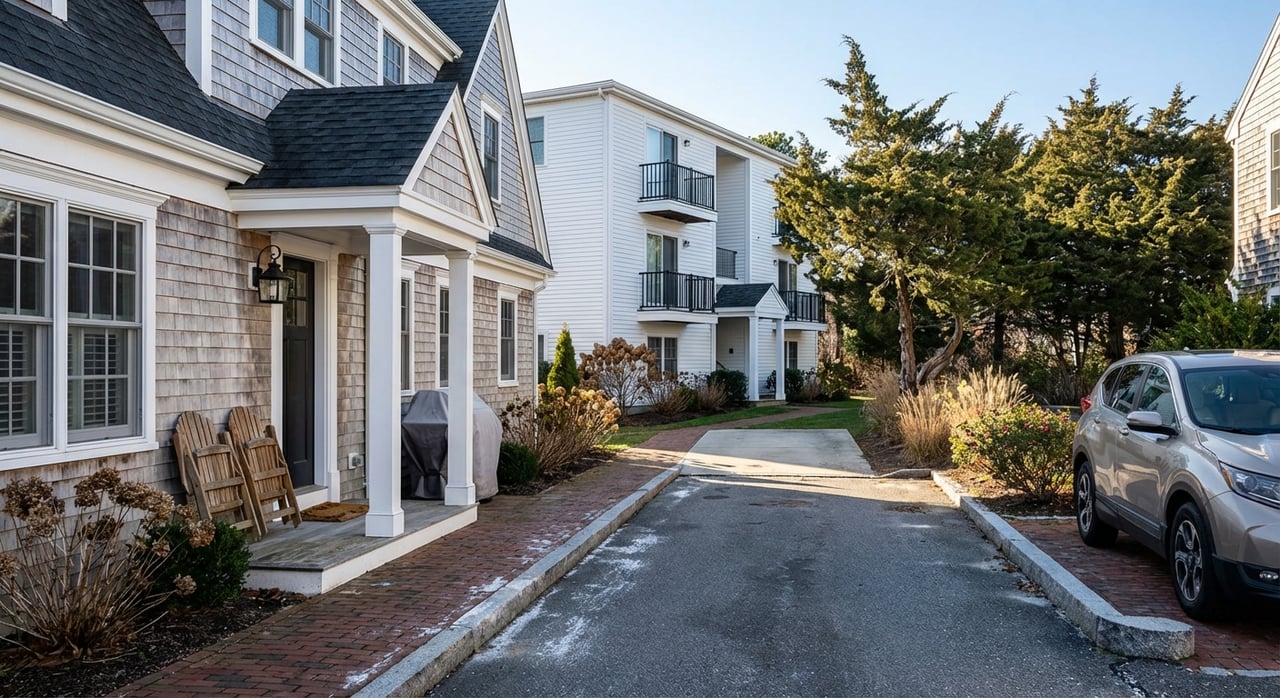
Newport’s housing stock is a blend of historic homes, downtown condos, and cottages near the water. The city’s historic character and limited land create tight supply and support higher values than many inland Rhode Island communities. You can browse city resources and planning pages for local context. Visit the City of Newport.
No matter where you look, factor in parking, storage for beach or boating gear, and any local preservation or zoning rules that could affect future changes.
Newport’s parking rules reflect the city’s seasonal rhythm. Metered pay-by-plate parking is typically in effect from May 1 through October 31, with hours that can extend into late evening in the busiest downtown zones. From November 1 through April 30, there is no meter fee, but posted time limits still apply. The city also offers a resident parking program, and registered resident plates at meters can receive a benefit such as three hours of free time when properly registered. You can review the current details on the city’s parking page. Check metered parking and resident rules.
Event weekends and cruise ship calls can bring sudden spikes in visitors, so plan extra time for arrivals from late spring through early fall. If you prefer to avoid driving, seasonal ferry service to Providence and RIPTA bus routes provide alternatives. The City of Newport website links to current transit resources and schedules. Visit the City of Newport.
If schools are part of your plan, Newport Public Schools operate year round. Rogers High School enrolls roughly 500 to 600 students depending on the year, which helps you gauge school size and available programming. You can view current enrollment and school details on the NCES profile. See Rogers High School data.
For health care, full-time residents benefit from the local emergency department and specialty services at Newport Hospital. That proximity can be an important factor for year-round households and retirees. View Newport Hospital.
Many owners use Newport homes for short-term rentals, especially in the summer. If you plan to host, Newport requires registration with both the State of Rhode Island Department of Business Regulation and the City through a Transient Guest Facility application. City review can include zoning, building, and fire inspections. Uploads often include floor plans and a dimensional parking plan, and filing and certificate fees apply. Review the city’s STR requirements.
Two practical points that affect your budget and layout:
These rules add administrative steps and potential retrofit costs, so build them into your financial plan before you buy a property with STR income in mind.
Coastal living brings beauty and exposure. Low-lying or waterfront areas in Newport can face tidal flooding and storm surge. Before you commit, pull FEMA flood maps for the property, look for a recent elevation certificate, and get insurance quotes that reflect coastal risk. The City publishes resilience and flood-safety resources, including Flood Safe Newport, which can help you understand local planning and risk. Explore city resilience resources.
If you are purchasing a historic or waterfront home, also consider potential elevation, drainage, or foundation work as part of long-term capital planning.
Budgeting looks different for year-round and seasonal owners. Keep these items in view as you compare options:
A clear operating budget lets you compare a lower upfront price in a busy area versus paying more for a place with parking and easier off-season access.
Both paths work in Newport. The better fit comes down to how you prioritize convenience, community, and carrying costs.
Use this quick list to compare your options and avoid surprises.
Whether you picture cozy winters by the harbor or a summer base you can rent when you are away, the right plan starts with clear data on neighborhoods, parking, regulatory fit, and carrying costs. If you want a local guide to help you compare options across coastal and suburban Rhode Island, connect with Renee Moussally for practical insights and a customized look at current listings. Get Your Free Market Snapshot and take your next step with confidence.
Stay up to date on the latest real estate trends.

Discover some of the best bakeries in Providence, Rhode Island, from flaky croissants and European-style pastries to fresh artisan loaves and traditional Italian and P… Read more

Discover Rhode Island’s haunted tours and Halloween attractions for 2026, from lantern-lit ghost walks and eerie river cruises to haunted trails, historic legends, and… Read more
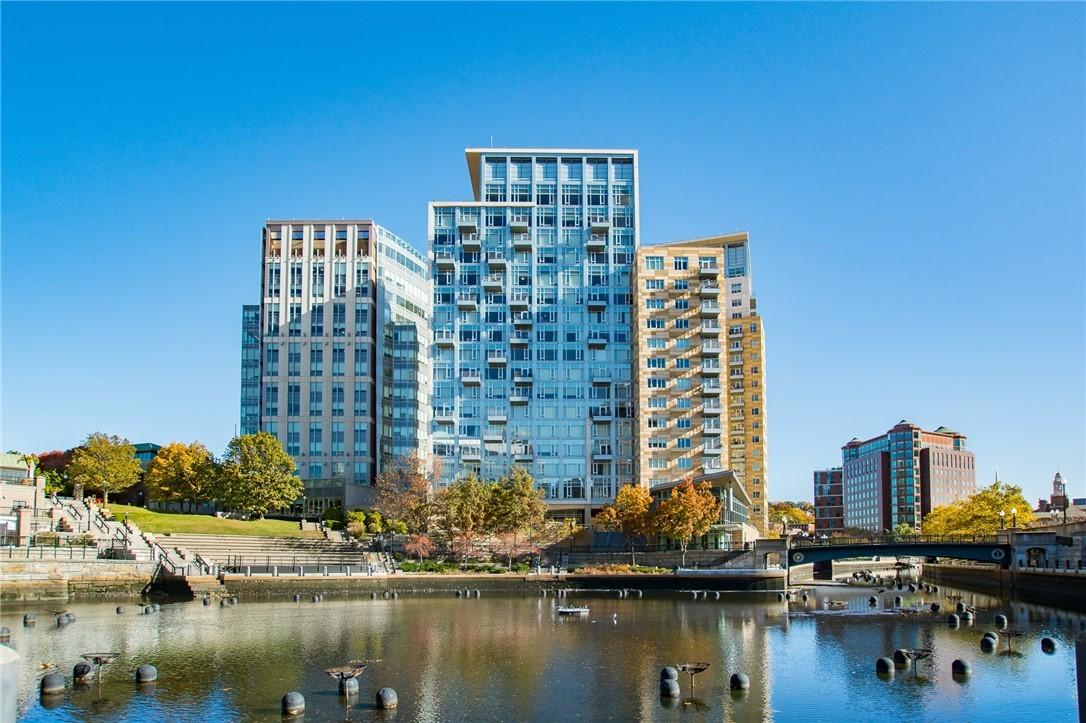
Discover what first-time buyers need to know about buying a condo in Rhode Island, from monthly association fees and financing to condo rules, inspections, insurance, … Read more

Discover the best indoor activities in Rhode Island for rainy days, from fascinating museums and interactive exhibits to family-friendly attractions, escape rooms, and… Read more

Discover the best pumpkin festivals and fall events in Rhode Island this October, featuring pumpkin decorating, glowing jack-o'-lantern displays, family activities, fa… Read more

Discover some of the best scenic drives in Rhode Island this fall, from winding country roads and colorful forests to coastal routes, historic towns, and beautiful New… Read more
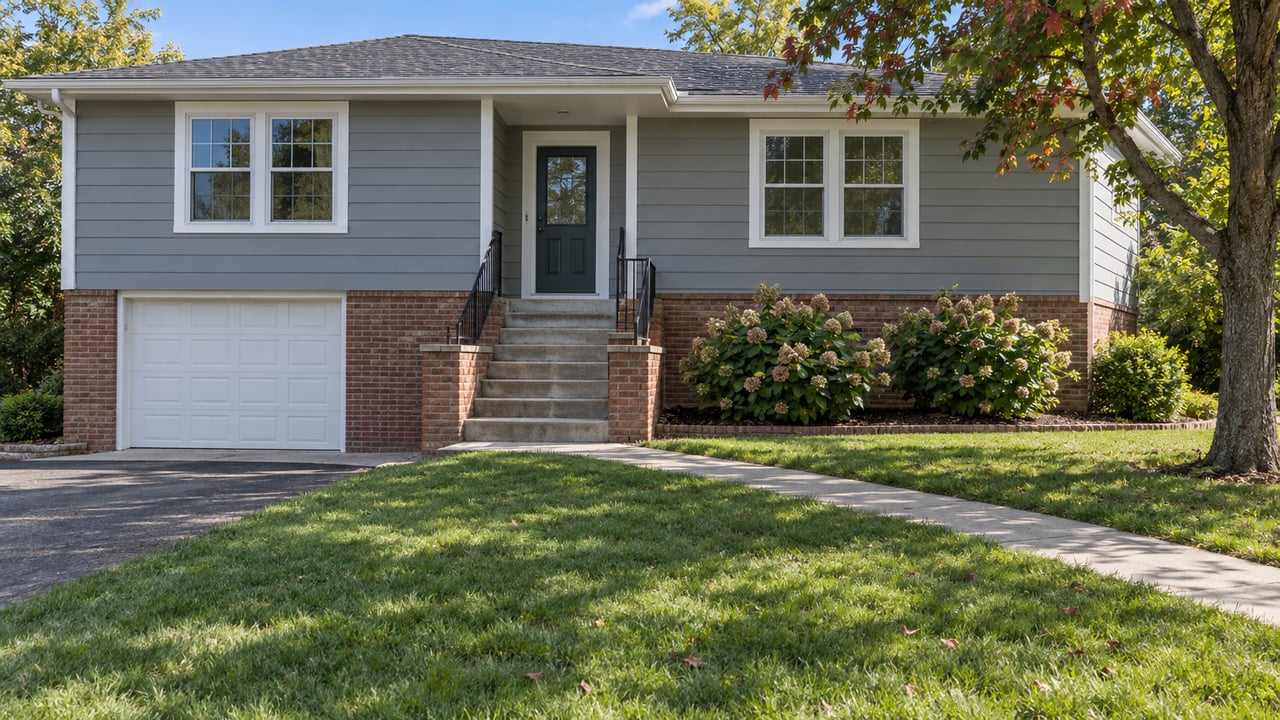
Discover what’s driving buyer demand in East Greenwich as homes spend less time on the market despite a recent shift in median sale prices.

Discover 10 reasons people love calling Rhode Island home, from coastal living and charming communities to outdoor recreation, local culture, and easy access to everyt… Read more
Renee can offer real-world insight and advice based on years of local market experience, Work with Renee Today!