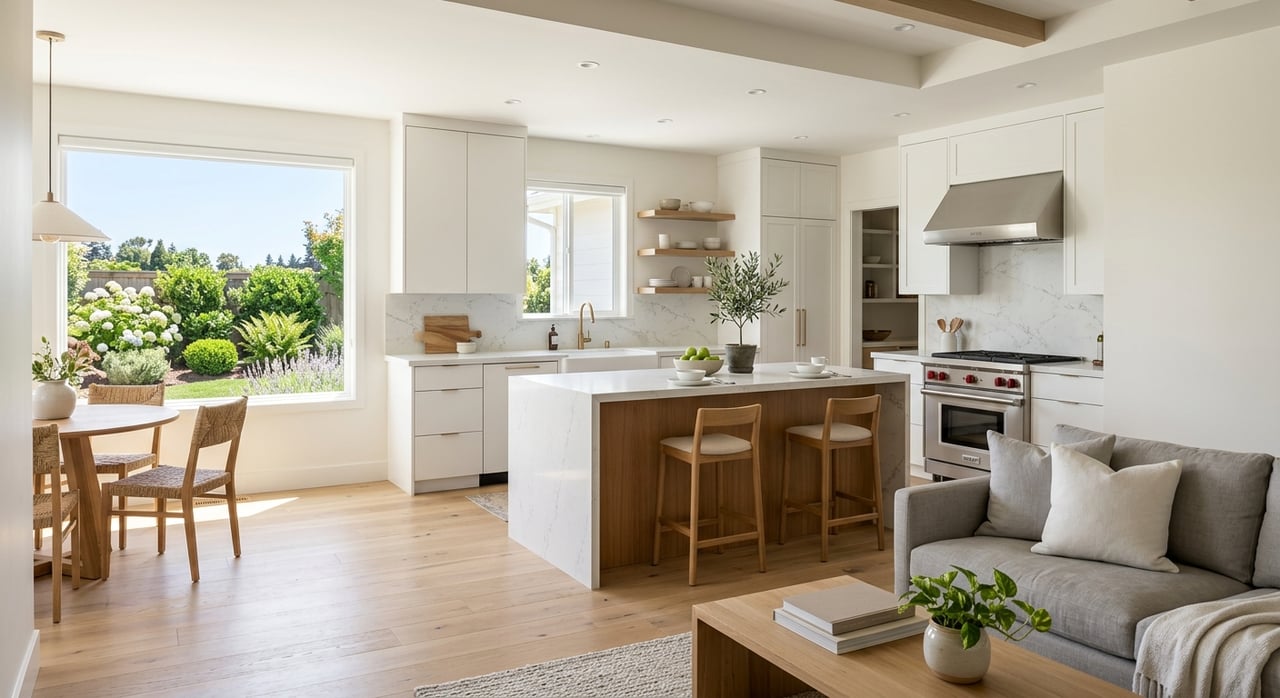
Warwick RI Home Selling Tips for Smart Pricing
June 18, 2026
June 18, 2026
If you price your Warwick home too high, you may attract less attention, sit on the market longer, and end up accepting less than you hoped. If you price it well from the start, you have a much better chance of drawing serious buyers and selling close to asking. In a market where buyers can compare homes quickly, smart pricing is one of the most important decisions you will make. Let’s dive in.
Warwick is active, but it is not one-size-fits-all. In March 2026, Realtor.com reported 258 homes for sale, a median listing price of $439,475, median days on market of 26, and a sale-to-list price ratio of 100%. That tells you buyers are still paying market value when a home is priced and positioned correctly.
RI REALTORS also showed strong local activity in March 2026, with 60 closed single-family sales in Warwick and a median sold price of $467,450. Average days on market for those sales was 36. These numbers support a simple takeaway: sellers can do well here, but accurate pricing still matters.
One of the biggest pricing mistakes is relying too much on a citywide average. Warwick includes several distinct submarkets, and buyer expectations can change a lot from one area to another. A home in one neighborhood may compete in a very different price range than a similar-sized home elsewhere in the city.
Realtor.com neighborhood data shows that median listing prices range from about $352,450 in Buttonwoods to $717,000 in Cowesett. Days on market also vary, from 18 in Palace Garden to 34 in Hoxie and Conimicut. That spread is why neighborhood-level comparisons matter more than broad averages.
A smart list price begins with nearby recent closed sales. Closed sales show what buyers were actually willing to pay, which is more useful than focusing only on what sellers hope to get. In Warwick, that means looking closely at homes in your immediate area and price band.
You also need to compare your home to active listings. Buyers will weigh your property against what else is available right now, not just what sold last month. If a similar home nearby offers updated finishes, better presentation, or a more competitive price, that will shape how your listing is received.
The most useful comparisons should be similar in:
A raised ranch in one part of Warwick should not be priced mainly against a very different product in another area. The closer the match, the better the pricing strategy.
Even in a seller's market, condition matters. Buyers are often willing to pay near asking when a home feels move-in ready and well cared for. If your home needs visible work, buyers may discount their offers to account for the effort and expense ahead.
According to NAR's 2025 Remodeling Impact Report, 46% of buyers were less willing to compromise on a home's condition. The same report found that REALTORS most often recommended painting the entire home, painting one room, and improving roofing before listing. It also noted strong recent demand for kitchen upgrades and bathroom renovations.
You do not always need a major renovation to improve your position. Often, a few practical steps can make your home feel more market-ready and support a stronger asking price.
Consider focusing on:
The goal is not to over-improve. It is to remove distractions that make buyers feel they should offer less.
Pricing and presentation work together. If your home is priced appropriately but looks cluttered, dark, or unfinished online, buyers may scroll past it or assume it is overpriced. First impressions often start with photos, not the front door.
NAR's staging survey found that 83% of buyers' agents said staging made it easier for buyers to visualize the property as a future home. NAR also reported that staging can reduce time on market. That matters in Warwick, where early momentum can strongly shape how buyers respond.
The first days on the market are often your best chance to create urgency. A well-priced, well-presented listing can attract stronger interest early, while an overpriced home may lose momentum fast. Once buyers see a home sitting without activity, they may start expecting a deal.
That is why strong preparation before launch matters so much. Clean presentation, quality marketing, and a realistic asking price give your home the best chance to stand out from day one.
Some sellers are tempted to test the market with a high price and reduce later if needed. That approach can backfire. Buyers today have access to enough market data to recognize when a home feels out of range.
Redfin found that overpricing a home by 10% or more can add more than a month to market time. It also reported that homes cut down from an inflated number may ultimately sell for 2% to 5% less than similar homes priced correctly from the start. In many cases, the first price is your best marketing tool.
When a home lingers, buyers often assume one of two things. They may think the home is overpriced, or they may think something is wrong with it. Either way, that can weaken your negotiating position.
NAR notes that buyers often see longer market times as a sign of more negotiating room. So even if you reduce later, you may still be working against the listing's history.
A price reduction is not always a bad sign. Sometimes the market gives clear feedback, and adjusting quickly is the smartest move. The key is to make that decision with a plan, not from frustration.
NAR's pricing-reduction guidance suggests watching pending sales and competing listings, evaluating the market for about two weeks, and considering a midweek reduction if showings are weak. That timing can help your home reappear in buyer and agent alerts before the weekend.
You may need to revisit your price if:
A measured adjustment can protect your result better than waiting too long.
If you can choose when to list, spring is still an important selling window in Rhode Island. RI REALTORS reported that inventory and sales had been growing for three straight months heading into spring 2026. Statewide inventory was also very low at 1.7 months in January 2026 and 1.4 months in February 2026, both well below the six-month benchmark for a balanced market.
That said, timing alone will not solve a pricing problem. Even in a favorable season, buyers compare value carefully. A well-prepared home priced appropriately usually performs better than a home that relies on seasonality to carry an ambitious asking price.
Realtor.com's 2026 Best Time to Sell report identified April 12 through 18 as the best week nationally, tied historically to higher prices, more views, less competition, and faster sales. For Warwick sellers, the practical lesson is simple: if you are aiming for the spring market, prepare early so your home is ready to launch at the right moment.
A strong pricing strategy is more than choosing a number. It is a full plan based on local data, property condition, and buyer behavior. In Warwick, that plan should reflect both current citywide trends and the reality of your specific neighborhood.
A data-driven pricing plan should include:
This kind of structure helps you avoid emotional pricing. It also gives you a clearer path from listing day to closing.
Pricing a home is part analysis and part strategy. You need to know what buyers are paying, what they are rejecting, and how your home fits into the current Warwick landscape. That is especially important in a market where one neighborhood can behave very differently from another.
With hyper-local insight, responsive communication, and modern marketing support, you can make pricing decisions with more confidence. If you are thinking about selling in Warwick, Renee Moussally can help you build a pricing strategy that reflects your home's true position in the market.
Stay up to date on the latest real estate trends.

Discover some of the best bakeries in Providence, Rhode Island, from flaky croissants and European-style pastries to fresh artisan loaves and traditional Italian and P… Read more

Discover Rhode Island’s haunted tours and Halloween attractions for 2026, from lantern-lit ghost walks and eerie river cruises to haunted trails, historic legends, and… Read more
Discover what first-time buyers need to know about buying a condo in Rhode Island, from monthly association fees and financing to condo rules, inspections, insurance, … Read more

Discover the best indoor activities in Rhode Island for rainy days, from fascinating museums and interactive exhibits to family-friendly attractions, escape rooms, and… Read more

Discover the best pumpkin festivals and fall events in Rhode Island this October, featuring pumpkin decorating, glowing jack-o'-lantern displays, family activities, fa… Read more

Discover some of the best scenic drives in Rhode Island this fall, from winding country roads and colorful forests to coastal routes, historic towns, and beautiful New… Read more
Discover what’s driving buyer demand in East Greenwich as homes spend less time on the market despite a recent shift in median sale prices.
Discover 10 reasons people love calling Rhode Island home, from coastal living and charming communities to outdoor recreation, local culture, and easy access to everyt… Read more
Renee can offer real-world insight and advice based on years of local market experience, Work with Renee Today!