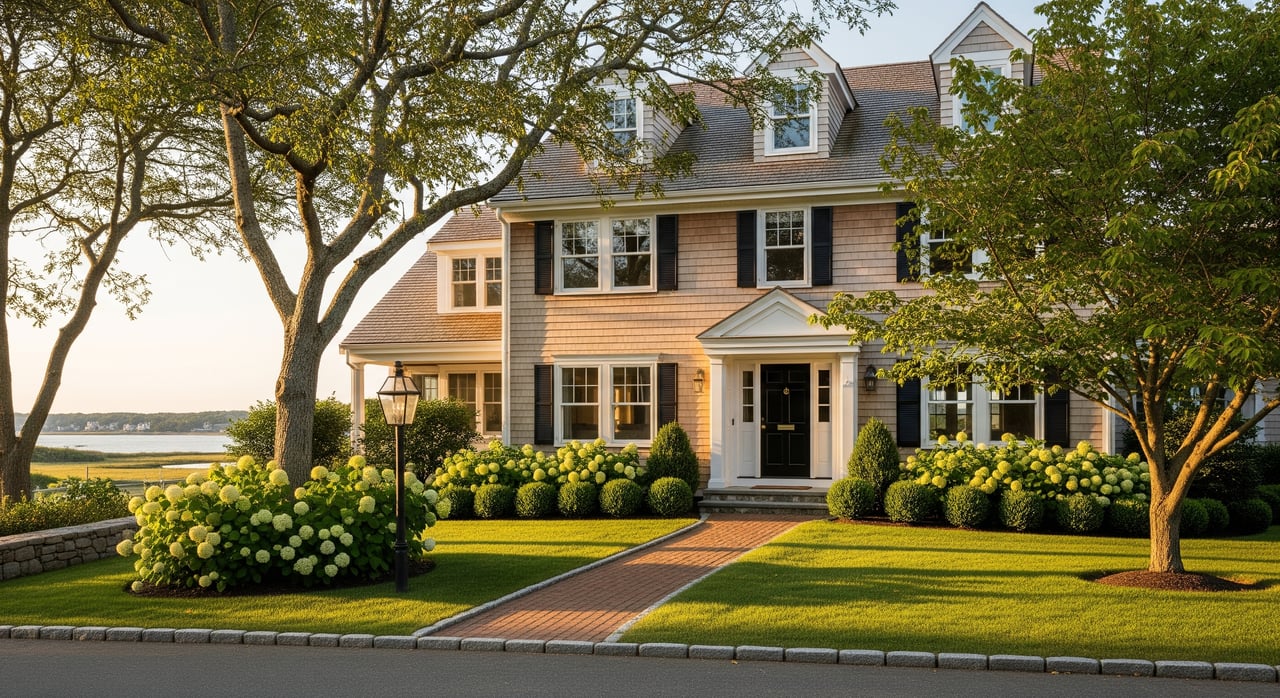
First-Time Buyer Programs in East Greenwich, RI
January 15, 2026
January 15, 2026
Buying your first home in East Greenwich can feel out of reach, but the right financing program can bring it within budget. If you are wondering how to cover the down payment, whether condos are eligible, or which loan fits your situation, you are not alone. In this guide, you will learn how Rhode Island Housing and common federal programs work, what to expect with down‑payment assistance, and how East Greenwich prices and inventory affect eligibility. Let’s dive in.
Rhode Island Housing is the state’s housing finance agency. It works with approved lenders to offer 30-year fixed mortgages at competitive rates for first-time and income-qualified buyers. You can often add standalone down‑payment or closing‑cost assistance, which may come as a forgivable grant or a second mortgage with low or no interest.
Program names, income limits, and purchase price caps change periodically. Always confirm current rules, available products, and the approved lender list directly with Rhode Island Housing before you apply.
Some of these can pair with RI Housing assistance, but not all combinations are allowed. Your lender should confirm the best pairing for your file.
Some programs help only with closing costs, while others allow funds toward the down payment or both. Clarify the coverage up front.
Assistance lowers your cash to close, but it can add a second lien or program restrictions. Compare total monthly costs across loan options, including mortgage insurance, not just the down payment.
East Greenwich is a suburban coastal town with strong demand and a mix of historic homes, established neighborhoods, and some condo communities. Because many assistance programs have purchase price caps, higher local prices can push certain listings out of eligibility even when your income qualifies. Also, conforming loan limits set whether you need a jumbo loan. Jumbo loans usually require larger down payments and are not typically part of state HFA offerings. Check current conforming limits for Kent County when you set your budget.
Condos and townhomes are often the most accessible entry point here, especially near the village. Many first‑time buyer programs allow condos, but the building itself must meet project standards. Your lender will look at budget reserves, insurance, and owner‑occupancy ratios. Confirm project approval early so you do not lose time during underwriting.
Smaller, older single‑family homes can be great values, but they may need repairs. FHA and some lenders require certain health and safety items to be addressed before closing. Ask your lender and agent about repair requirements and whether pairing a renovation‑friendly loan or assistance is advisable.
If you plan to use Rhode Island Housing assistance, work with an RI Housing‑approved lender or a lender experienced with state HFA programs. For VA or USDA loans, pick a lender with a strong track record in those products because eligibility, property standards, and documentation are specialized.
Gather these items before you apply:
Check your credit report for errors and resolve issues before you apply. Typical score expectations vary by loan type:
If you intend to use assistance, complete required homebuyer education early. Aim for a written, fully documented pre‑approval rather than a simple pre‑qualification. A strong pre‑approval helps you move quickly when the right East Greenwich home hits the market.
Before you write an offer, confirm with your lender:
Include financing and appraisal contingencies that align with your loan type. Some loans have specific appraisal conditions. If you are using assistance, plan for any counseling certificates or lender approvals that must be completed on a timeline.
You do not have to navigate programs and property rules alone. A local, first‑time‑friendly approach can help you match financing to real East Greenwich homes, from village condos to smaller single‑family options. If you want a step‑by‑step plan, lender introductions, and property‑by‑property eligibility checks, connect with Renee Moussally to get your Free Market Snapshot and start strong.
Stay up to date on the latest real estate trends.
Explore North Kingstown, RI, including beaches, Wickford Village, neighborhoods, housing, recreation, schools, and what makes this coastal community a great place to l… Read more
Learn about Rhode Island down payment assistance programs, including RIHousing options, first-time buyer programs, grants, and resources that may help eligible buyers … Read more
Discover why two similarly priced Coventry homes can come with very different ownership costs—and what to investigate before you make an offer.

From fresh oysters and lobster rolls to waterfront dining and classic New England favorites, discover some of the best seafood restaurants in Newport, Rhode Island.
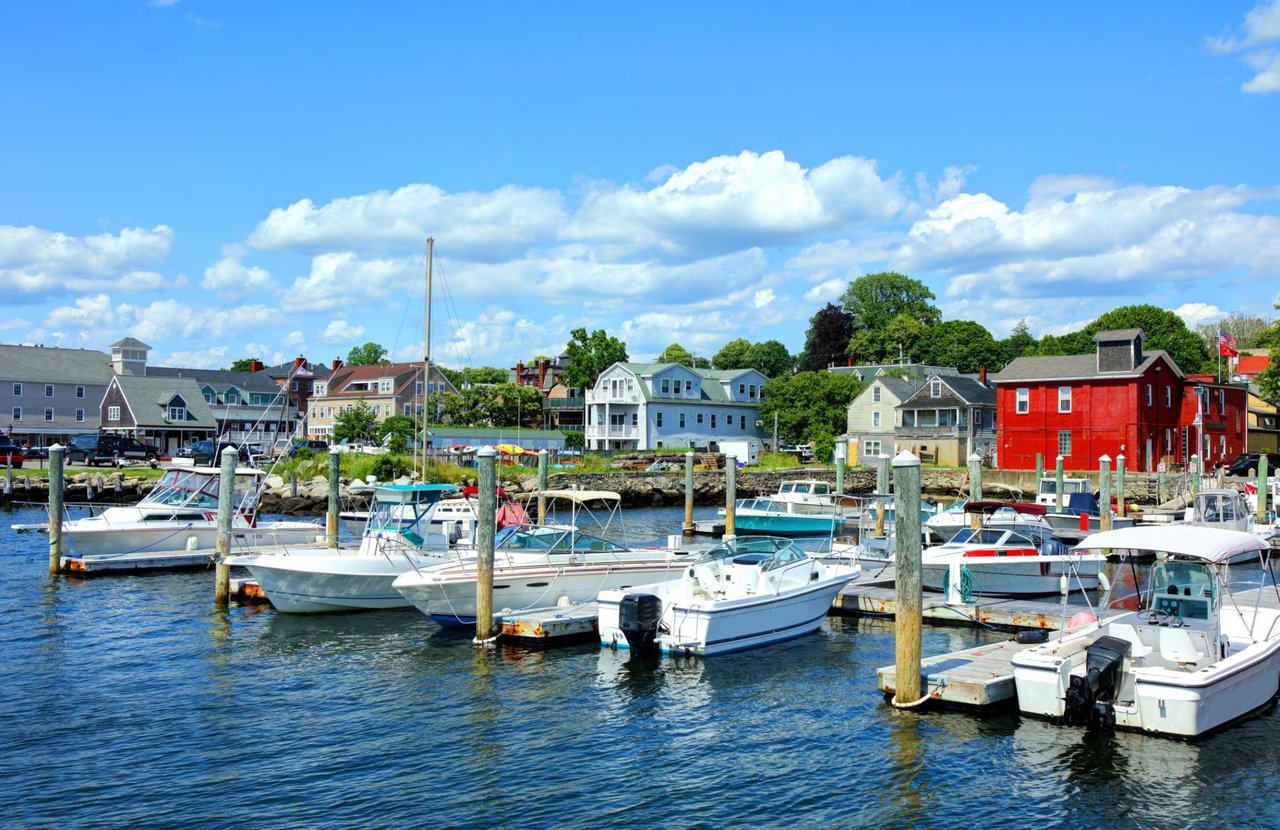
Explore Bristol, RI, including waterfront living, housing, outdoor recreation, downtown attractions, local events, and what makes this historic East Bay town special.
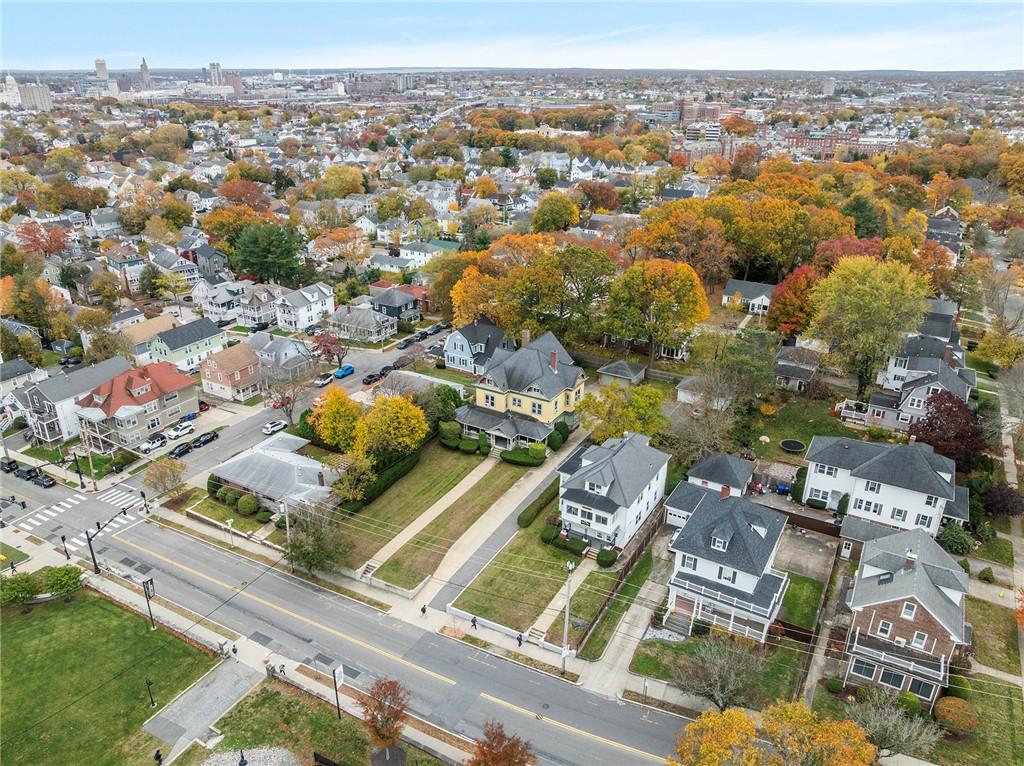
A practical guide for first-time homebuyers in Rhode Island, covering financing, down payments, neighborhoods, inspections, offers, closing costs, and more.
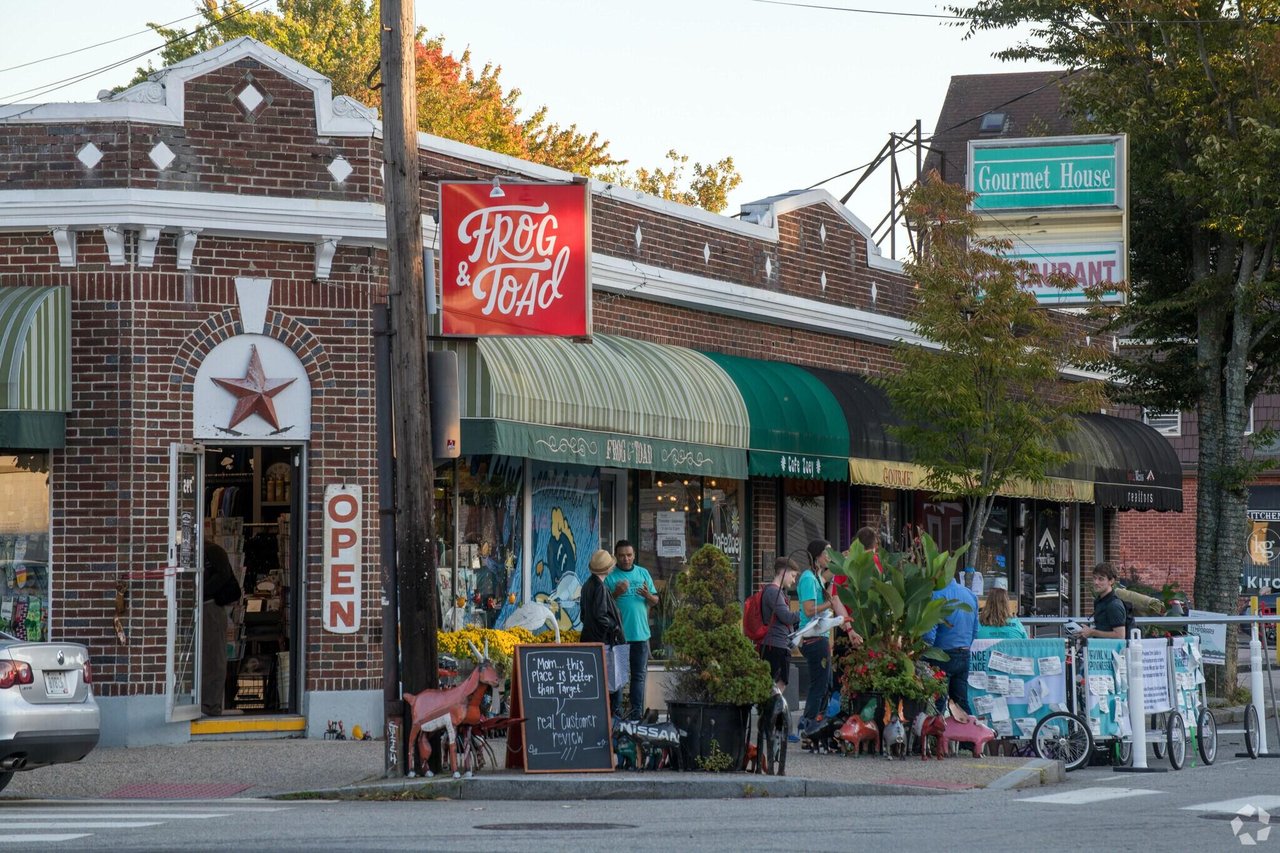
Discover what’s changing along Providence’s Hope Street—from new restaurants and local businesses to real estate activity, neighborhood traditions, and the community c… Read more

Explore Rhode Island's best parks for families, featuring playgrounds, walking trails, waterfront views, picnic areas, beaches, and outdoor activities for all ages.
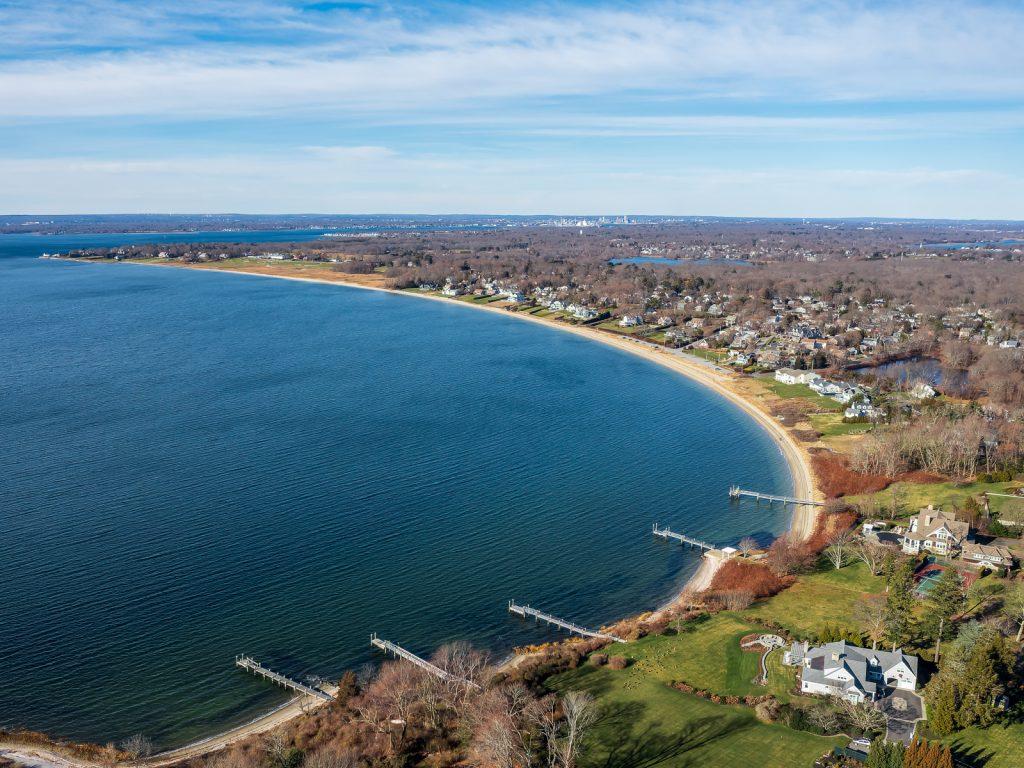
Explore Barrington, RI, including schools, housing, beaches, neighborhoods, outdoor recreation, and why this coastal East Bay community is a popular place to live.
Renee can offer real-world insight and advice based on years of local market experience, Work with Renee Today!