Earnest Money in Providence RI: A Clear Guide for Buyers
January 1, 2026
January 1, 2026
Wondering how much earnest money you should offer in Providence and what happens to it if things change? You’re not alone. Many first-time buyers worry about putting money on the line before they have keys in hand. In this guide, you’ll learn how earnest money works, typical deposit ranges, when it’s refundable, and smart ways to strengthen your offer without taking on unnecessary risk in Providence. Let’s dive in.
Earnest money is a good-faith deposit you include with an accepted offer or purchase-and-sale agreement to show you’re serious. It is not a fee. At closing, the deposit is usually applied to your down payment or closing costs.
If you cancel for a reason covered by the contract, your deposit is typically refundable. If you default outside your contract protections, the seller may keep the deposit or pursue other remedies. Your purchase-and-sale agreement spells out the amount, timing, who holds the funds, and conditions for release.
Most Providence buyers deliver the deposit shortly after both parties reach mutual acceptance of the offer. Contracts often require delivery within 24 to 72 hours, but the exact deadline depends on what you and the seller agree to in writing.
Funds are commonly held in an attorney trust account, a title or settlement company escrow account, or a broker’s client trust account. Rhode Island practice often involves attorneys in residential closings, though the escrow holder can vary by deal.
At closing, your earnest money is credited to your final settlement statement. If the deal terminates under a valid contingency, release and refund follow the contract’s rules and any escrow-holder procedures.
There is no single standard across all neighborhoods or price points. As a general starting point, buyers in New England often use a fixed amount between $1,000 and $5,000 or a percentage of the purchase price around 1 to 3 percent. In competitive situations, some buyers offer more to stand out.
Providence micro-markets can differ. Areas like the East Side, Federal Hill, and Wayland may see stronger competition than some suburban or rural parts of Rhode Island. The right number for you depends on your target neighborhood, price point, and how hot the listing is.
Ask your Providence-based agent for recent examples of accepted offers in the area you want. Seeing what worked last week on similar homes is the best reality check. If you are using financing or buying for the first time, choose a deposit amount you’re comfortable tying up through the contingency periods.
Contingencies protect you by defining when you can cancel and recover your deposit. Your contract will set deadlines and steps you must follow to keep those protections.
Contingencies only protect you if you act within the agreed timeline and follow notice requirements in the contract. Build a simple calendar with all dates for inspection, financing, appraisal, and any deposit increases. Share it with your agent and lender to keep everyone aligned.
If the seller breaches the agreement, such as by refusing to convey marketable title, the deposit is typically returned under the contract. If an offer is not yet accepted, no funds should be disbursed and any delivered check should be returned or voided.
In many Providence listings, sellers favor offers that show commitment and a smooth path to closing. You can signal seriousness while keeping essential safeguards.
If you want extra clarity on legal risk or escrow procedures, consider speaking with a Rhode Island real estate attorney in addition to working closely with your Providence-based agent.
If there is a disagreement about who should receive the deposit, the escrow holder may require a written agreement signed by both parties or a court order to release funds. Many disputes are resolved through negotiation because litigation takes time and money.
Your next best step is to review the contract’s dispute resolution section. It may call for mediation, arbitration, or litigation. Work with your agent to prepare a clear summary of facts, dates, and documents so you can reach a fair resolution efficiently.
You can compete confidently in Providence when you understand how earnest money works, set the right amount for your market, and protect yourself with well-crafted contingencies. If you want local examples from your target neighborhood or help structuring a strong yet safe offer, connect with Renee Moussally. Get Your Free Market Snapshot and a step-by-step plan tailored to your goals.

Stay up to date on the latest real estate trends.

Discover some of the best bakeries in Providence, Rhode Island, from flaky croissants and European-style pastries to fresh artisan loaves and traditional Italian and P… Read more

Discover Rhode Island’s haunted tours and Halloween attractions for 2026, from lantern-lit ghost walks and eerie river cruises to haunted trails, historic legends, and… Read more
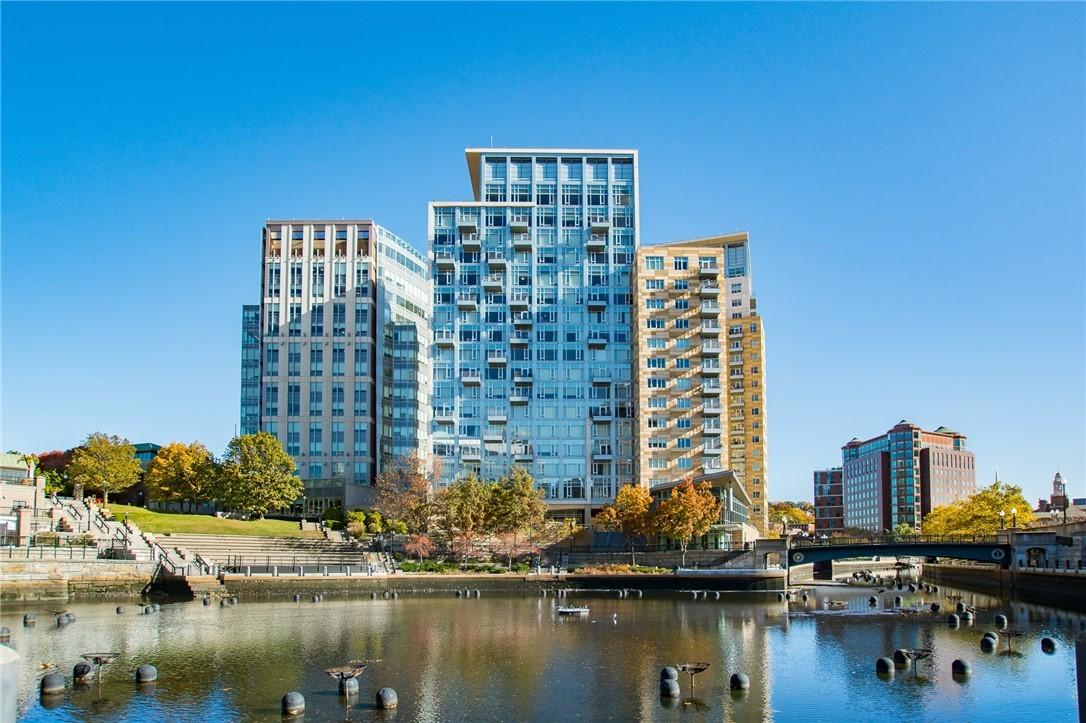
Discover what first-time buyers need to know about buying a condo in Rhode Island, from monthly association fees and financing to condo rules, inspections, insurance, … Read more

Discover the best indoor activities in Rhode Island for rainy days, from fascinating museums and interactive exhibits to family-friendly attractions, escape rooms, and… Read more

Discover the best pumpkin festivals and fall events in Rhode Island this October, featuring pumpkin decorating, glowing jack-o'-lantern displays, family activities, fa… Read more

Discover some of the best scenic drives in Rhode Island this fall, from winding country roads and colorful forests to coastal routes, historic towns, and beautiful New… Read more
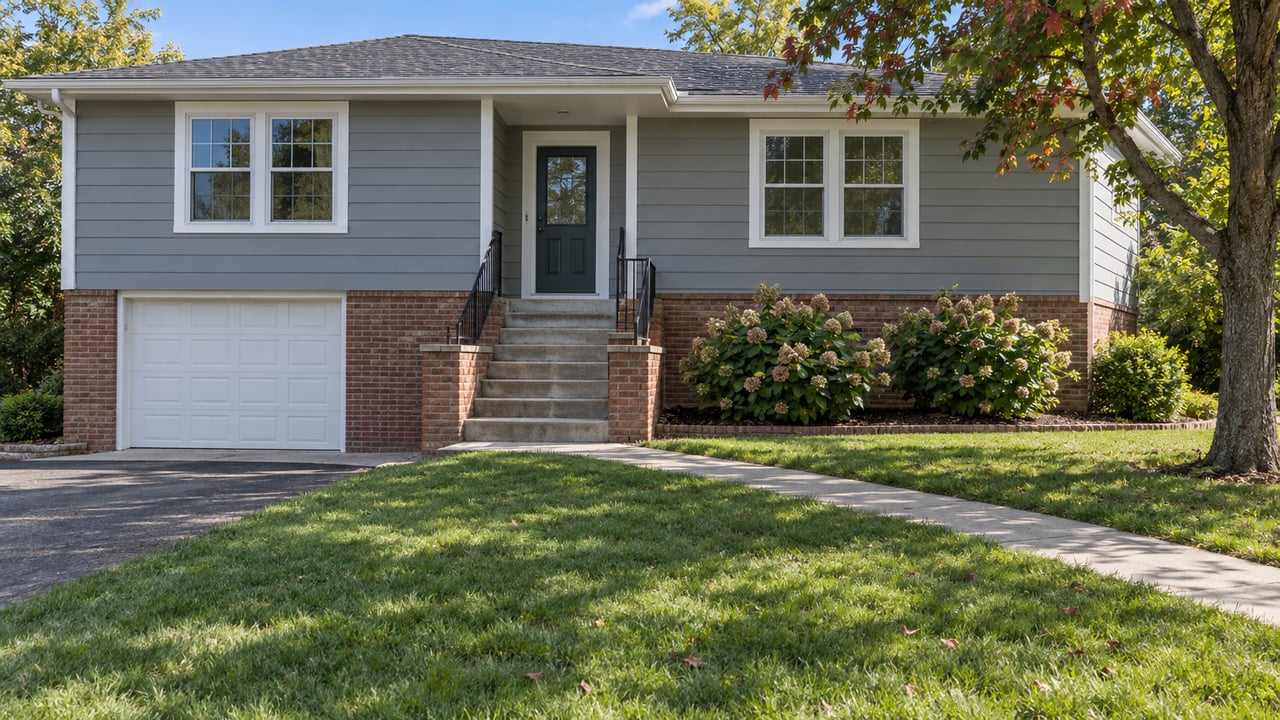
Discover what’s driving buyer demand in East Greenwich as homes spend less time on the market despite a recent shift in median sale prices.
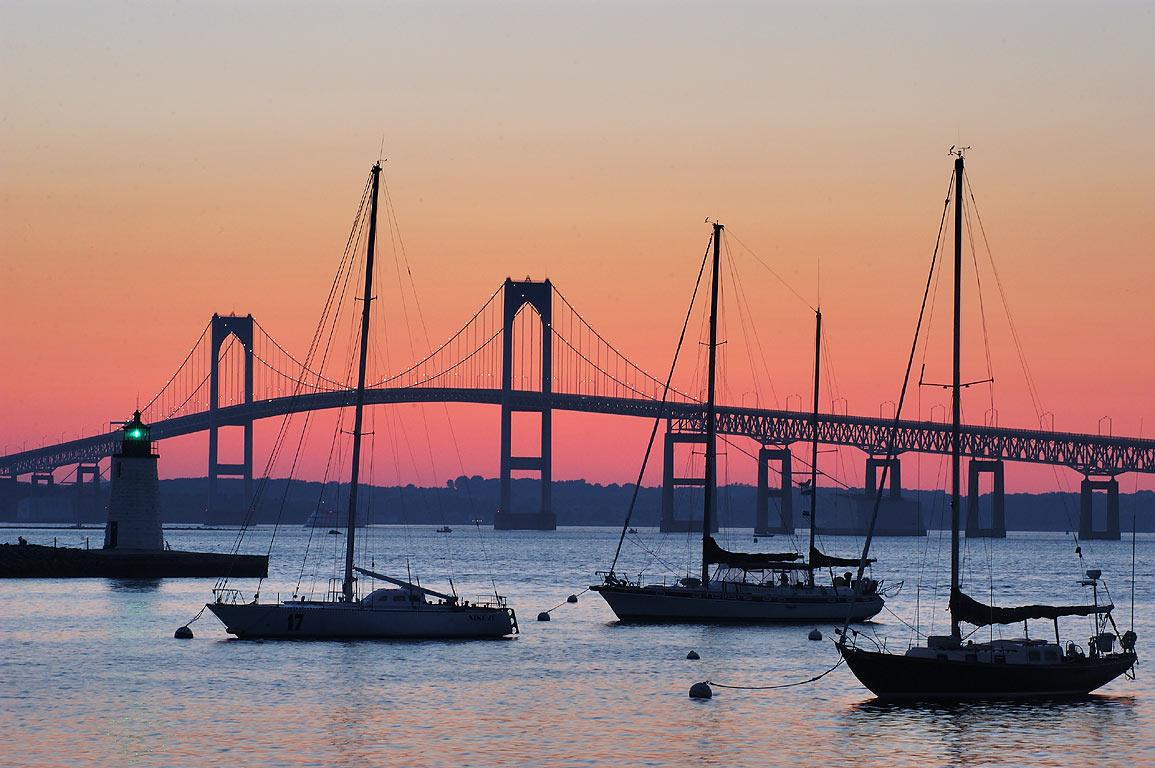
Discover 10 reasons people love calling Rhode Island home, from coastal living and charming communities to outdoor recreation, local culture, and easy access to everyt… Read more
Renee can offer real-world insight and advice based on years of local market experience, Work with Renee Today!