Why Hope Street's Storefronts Never Seem To Sit Empty
August 13, 2026
August 13, 2026
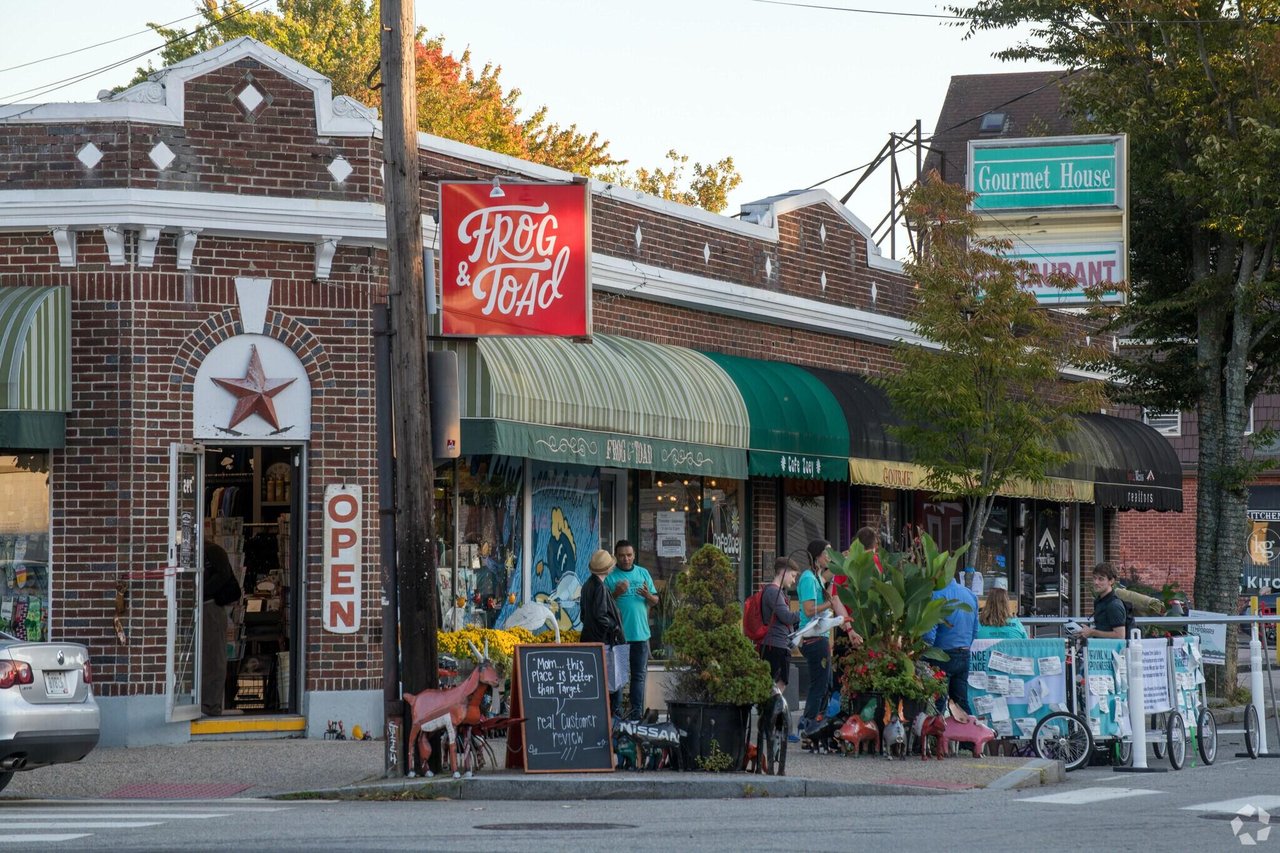
Walk Hope Street this month and you will notice two gaps that used to be something else. At 771 Hope, the KG Kitchen Bar sign is gone, replaced by taped-up butcher paper and the outline of a new one underneath. A few blocks down, next to Lotus Pepper, a hand-lettered temporary sign leans against the glass where a storefront sat empty. Neither space stayed empty long. That is not an accident of good timing. It is close to the entire story of how this stretch of the East Side works.
The space at 771 Hope Street is becoming Ciao Ciao, an Italian restaurant built around fresh pasta, wine, and cocktails in a spot designed to feel effortlessly inviting. The name behind it is Adam Stabile, an industry veteran leaving his post at Providence Oyster Bar to run his own room. He put it simply when the plans became public: "The time has finally come for me to hang up my bottle opener at Providence Oyster Bar." By his own account, the idea has been thirty years in the making. That is not a stranger discovering Hope Street has potential. That is someone who has worked in Providence restaurants for decades, choosing this particular corner as the place to finally build something of his own.
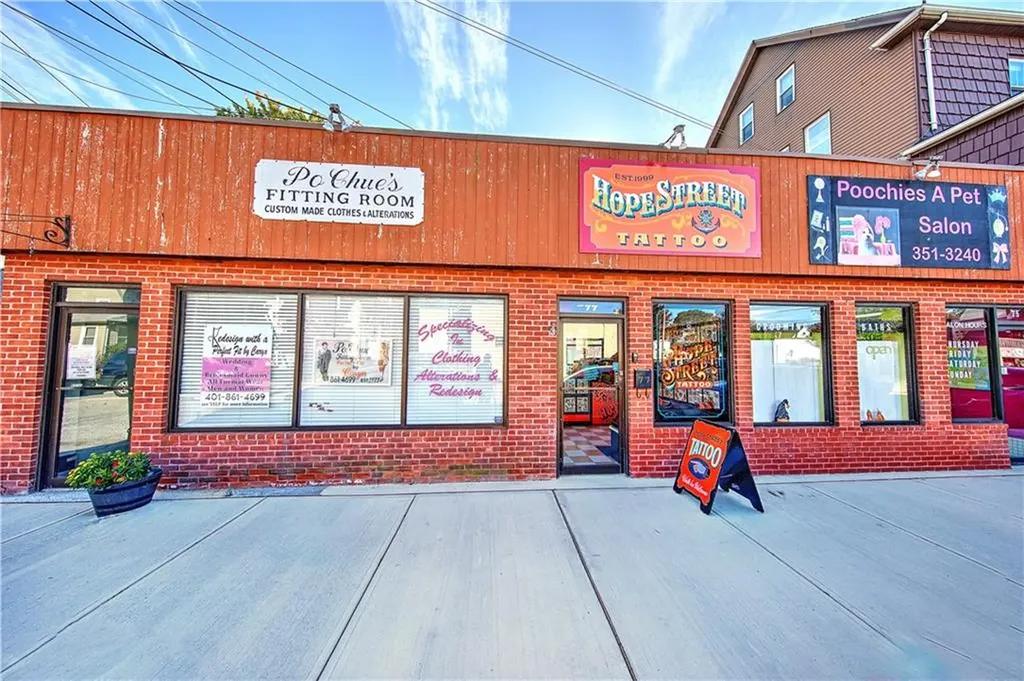
By spring, a commercial real estate listing for the same corner, at Hope and Burlington, was already describing Ciao Ciao as installed in the space, calling it a highly anticipated new East Side destination. The building above the restaurant holds four apartments, and the storefronts beside it house a tailor, a pet groomer, and a tattoo studio. None of that is incidental. It is the shape Hope Street keeps taking, over and over, no matter which business occupies the ground floor.
The other new arrival is La Fe Taqueria, a fast-casual Mexican concept built on slow-cooked meats, house-made salsas, and aguas frescas. The ownership group is a small case study in how these openings actually happen here. Jason Vargas has worked in hospitality across Rhode Island, Massachusetts, and Connecticut, in hotels, casinos, and event spaces including Gillette Stadium. His wife, Melisa Sanchez, comes from mid-century furniture restoration and is managing the restaurant day to day. Their partner, Thang Huynh, already owns Lotus Pepper, the Vietnamese spot right next door.
Vargas described what he wants the space to feel like: he wants to "keep it clean, welcoming, and upbeat." What stands out is not the sentiment. It is that the man saying it already has a business two doors away, and chose to open a second one beside it instead of somewhere else in the city.
Two storefronts changing hands in a few months could read as ordinary churn. It reads differently once you notice who is doing the changing. Stabile is a Providence restaurant veteran finally acting on an idea decades in the making. Huynh already runs the business next door and is now backing a second one beside it. Neither is an outside chain testing the market. Neither is a landlord clearing out a longtime tenant to chase higher rent from a national brand.
That pattern is not new to this street. One real estate write-up on a nearby Hope Street block put it plainly: the corridor "was not the brainstorm of developers or academics." It grew the way it has because individual shopkeepers built it storefront by storefront, and the only national chains on the strip are a pair of gas stations, two banks, and a CVS. When a space opens up here, it tends to go to someone who already has skin in this exact economy, not to whoever can pay the most from three states away.
That pattern shows up in the real estate too. A mixed-use building at 756-758 Hope Street and 50 Glendale Avenue sold for $1.83 million in a transaction that closed in early August 2026, according to Providence Business News. The ground floor holds Stock Culinary Goods and Ivy Tavern, both existing neighborhood businesses. Above them sit five one-bedroom apartments. Nobody bought that block planning to level it for something bigger. They bought a working building that already does exactly what Hope Street buildings do: retail at street level, housing above it, small operators paying rent to landlords who are not trying to reinvent the corner.
The Ciao Ciao block, at Hope and Burlington, was separately listed this spring at $2.175 million, with the same formula: a restaurant space plus three smaller commercial units plus four apartments upstairs. Two different blocks, two different price points, the same structure underneath. That consistency is worth noticing if you live along this corridor and wonder whether the character you moved in for is durable or just lucky timing. The math investors are paying for here rewards the small-storefront format rather than punishing it.
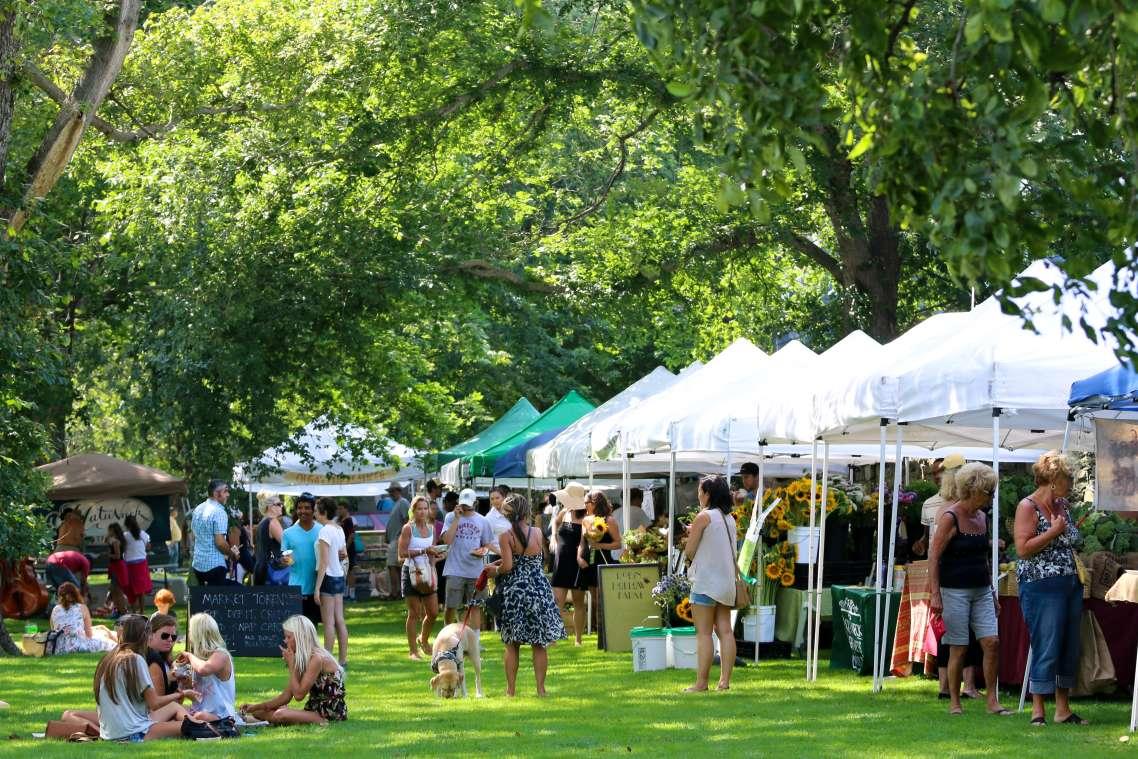
None of this touches the one fixture that has not moved in years. The Hope Street Farmers Market runs every Saturday from 9 a.m. to 1 p.m., May through October, in Lippitt Park where Hope Street meets Blackstone Boulevard. It is a farmer-run cooperative, not a city program or a developer amenity, staffed by the same growers and food makers who show up year after year. Live acoustic music plays most weeks. It is the one part of the neighborhood's rhythm that the restaurant openings and property sales do not touch at all.
Even a street this self-contained empties out some weekends, and this past one was a good example. Four separate draws landed within about 48 hours of each other:
That is a lot of reasons to leave the East Side for a weekend, and plenty of Hope Street residents did. But it is worth sitting with the contrast. Downtown put on a show that required a stage, a permit, and months of planning. Hope Street just kept doing what it does, one storefront at a time, without any of that machinery.
Two threads from the last few weeks are still running. Food Truck Friday at Roger Williams Park's Carousel Village continues every Friday evening through September 25, drawing people south even as new tables open along Hope Street itself. And the farmers market keeps its Saturday morning slot at Lippitt Park through the end of October, unaffected by any of it.
The honest read on Hope Street right now is that it is not becoming something else. It is doing what it has done for a long time, just with different names on the awnings. A veteran bartender leaves the restaurant where he built his career to open a room of his own, thirty years after he first thought about it. A restaurant owner backs a second business next to his first instead of somewhere new. The buildings that change hands keep the same shape: shops below, apartments above, no single owner big enough to flatten the block. If you live here, the storefronts you pass this month will look different by next spring. The street underneath them almost certainly will not.
If you're weighing a move to the East Side, or wondering what a property like one of these small mixed-use Hope Street blocks might mean for your own plans, Renee Moussally can walk you through what's actually for sale in Kent and Providence counties right now. Reach out for a free market snapshot and get a straight answer instead of a guess.
Stay up to date on the latest real estate trends.
Discover Rhode Island school districts families often consider when choosing where to live, from academic performance and school programs to community life, neighborho… Read more
Discover what it’s like living in Middletown, RI, from beautiful beaches and open spaces to everyday conveniences, local neighborhoods, and easy access to everything N… Read more
Discover Rhode Island’s best family-friendly pumpkin patches, from classic farm visits and hayrides to corn mazes, farm animals, fall treats, and plenty of autumn phot… Read more
Planning a move to Rhode Island? Use this practical checklist to organize your home search, utilities, paperwork, neighborhood research, and move-in essentials before … Read more
What buyers should know about airport proximity before choosing a Warwick home
Discover the best places for apple picking in Rhode Island, from family-friendly orchards and scenic farm stands to classic fall activities, fresh cider, and local tre… Read more
Discover what it’s like living in South Kingstown, RI, from charming villages and beautiful beaches to housing options, local amenities, and what homebuyers should kno… Read more
Discover the best places to see fall foliage in Rhode Island, including Arcadia, Lincoln Woods, Colt State Park, Roger Williams Park, Scituate Reservoir, Newport, and … Read more
Renee can offer real-world insight and advice based on years of local market experience, Work with Renee Today!